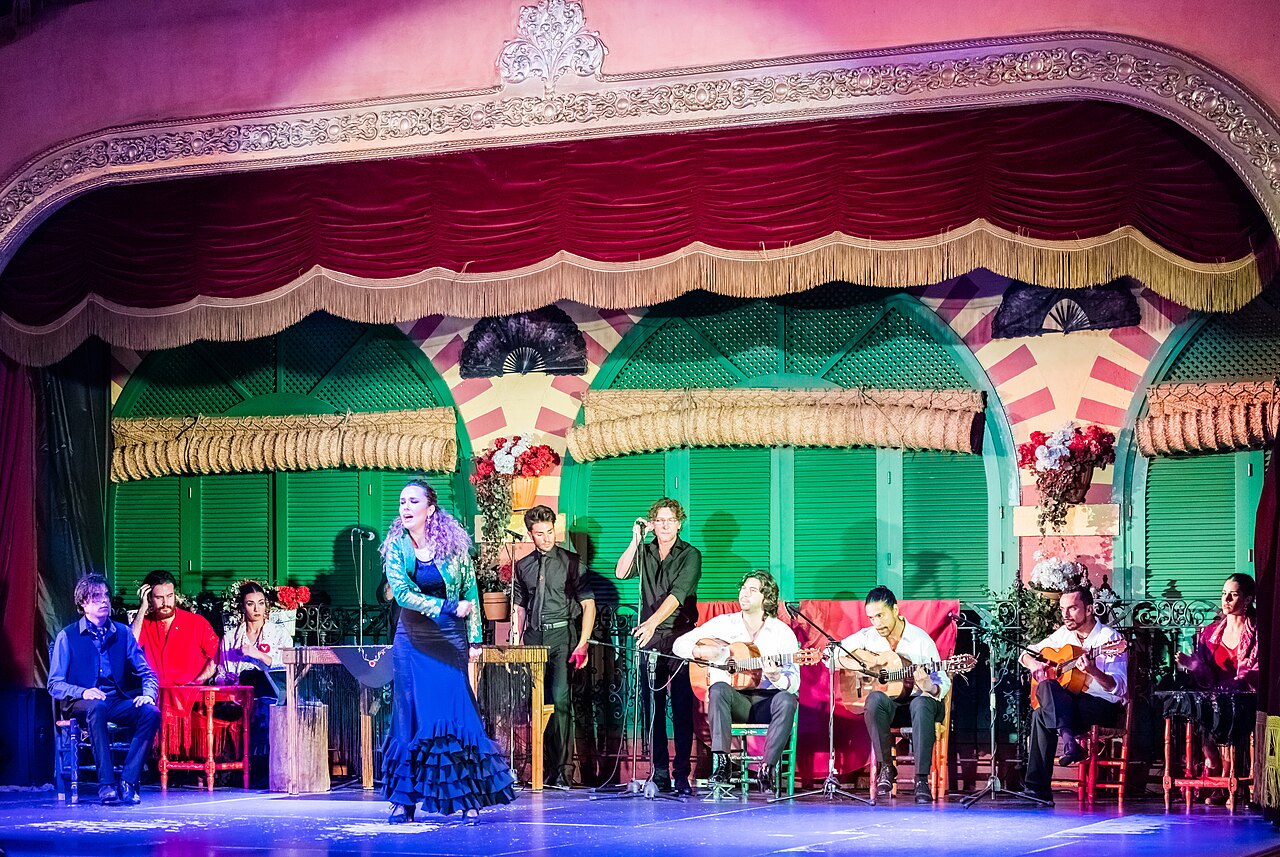
Spanish and flamenco can reinforce each other when neither is reduced to entertainment. The strongest programmes combine assessed language tuition with progressive studio teaching and enough cultural context to understand flamenco as song, dance and musicianship rooted especially in Andalusia.
Choose Seville or Granada for the strongest place-and-skill fit, protect enough formal Spanish hours, and confirm that the flamenco component teaches technique and rhythm at your level rather than offering only show tickets.
Your decision map
| Question | Helpful starting point |
|---|---|
| What can you learn in a Seville flamenco lesson? | Seville is a major flamenco learning context, but not every flamenco product is a class. |
| A named weekly palo provides more information than a generic flamenco-experience label. | |
| Dance class, guitar, singing or palmas? | Read the lesson outline and check how much time you will spend practising. |
| One class or a progressive week? | A short class works best when it teaches one useful technique well. |
| Teacher identity and cultural context | An enquiry lets you check the details before deciding. It does not reserve a place. |
What can you learn in a Seville flamenco lesson?
Keep Flamenco lessons in Seville specific: the place, practitioner and learner task should all be visible. Seville is a major flamenco learning context, but not every flamenco product is a class. A named weekly palo provides more information than a generic flamenco-experience label.
For hands-on flamenco, choose a lesson with a teacher, beginner-level rhythm and guided movement.
Beginners need posture, weight transfer, basic footwork, arm placement, palmas and an introduction to compás. A responsible studio sets expectations: a short course builds coordination and understanding, not performance mastery. A beginner lesson should introduce the rhythm, one short movement sequence and enough feedback to try it again.
Before enquiring, ask what you will do, how much practice time you get and what the price includes. Spanish in Cádiz publishes Spanish plus flamenco. Confirm current details for Flamenco leads directly.
A named weekly palo provides more information than a generic flamenco-experience label. Read the lesson outline and check how much time you will spend practising.
Compás provides a rhythmic framework but does not fully define every palo.
Beginner teaching can start with listening, pulse and palmas before complex movement. Gitano and Roma communities have played an essential role in flamenco development. Compás demonstration rehearsal correction and framing form a learning chain.
Dance class, guitar, singing or palmas?
A beginner lesson should introduce the rhythm, one short movement sequence and enough feedback to try it again. Read the lesson outline and check how much time you will spend practising. A short class works best when it teaches one useful technique well.
The place should add something useful to the lesson. Taller Flamenco publishes dance guitar singing cajon palmas and Spanish courses.
A useful one- or two-week timetable normally keeps Spanish lessons consistent—often weekday mornings—then adds level-matched flamenco sessions with recovery time. Ask whether cultural activities are taught in accessible Spanish, how vocabulary is reinforced and whether dance replaces formal tuition on excursion days.
Recheck dates, prices and the named teacher before arranging travel. A beginner lesson should name whether it teaches dance, guitar, singing, palmas or listening. Short dance classes should state floor, footwear and impact modifications. The Bienal de Flamenco is a current performance context, not proof of a year-round class.
One class or a progressive week?
A useful Flamenco lessons in Seville guide should make this choice clearer before you contact anyone. A short class works best when it teaches one useful technique well. An enquiry lets you check the details before deciding. It does not reserve a place.
If you want hands-on learning, choose a format that gives you material or equipment to use yourself.
Use recent reviews for practical clues, then check the lesson details directly. Teacher lineage claims require careful direct sourcing.
Teacher identity and cultural context
Start by picturing what you will do during the lesson and what you want to improve. An enquiry lets you check the details before deciding. It does not reserve a place.
Cultural framing should distinguish flamenco forms and context.
Tablao, museum, festival and school boundaries
Keep Flamenco lessons in Seville specific: the place, practitioner and learner task should all be visible. UNESCO defines flamenco through cante baile and toque.
A tablao show provides observation rather than correction or practice.
Before enquiring, ask what you will do, how much practice time you get and what the price includes. Museo del Baile Flamenco combines museum performance and initiation propositions. MACBA publishes educational programmes that connect museum and classroom learning. Recording consent applies to teachers and other learners.
Floor, footwear, hearing and access
UNESCO defines flamenco through cante baile and toque. A Compas publishes classes and intensive workshops for several levels.
Smaller groups usually leave more time for questions and feedback.
Short dance classes should state floor, footwear and impact modifications. Entirely alcohol-free venues and social inclusions require confirmation. Check how much of the advertised duration is actual practice.
A beginner lesson should introduce the rhythm, one short movement sequence and enough feedback to try it again. A Compas publishes classes and intensive workshops for several levels. For hands-on flamenco, choose a lesson with a teacher, beginner-level rhythm and guided movement.
The place should add something useful to the lesson.
Verify language-school teachers, placement testing, weekly hours and class maximums separately from the flamenco studio, teacher and level. A beginner lesson should introduce the rhythm, one short movement sequence and enough feedback to try it again.
Recheck dates, prices and the named teacher before arranging travel. Any provider with alcohol integrated into the experience or property is rejected. Ask about the complete route, steps, seating and toilets at the actual venue.
What to verify before enquiring
A useful Flamenco lessons in Seville guide should make this choice clearer before you contact anyone. For hands-on flamenco, choose a lesson with a teacher, beginner-level rhythm and guided movement.
Use these questions before you choose:
- Confirm current details for Flamenco leads directly.
- Safety guidance must match the activity rather than rely on generic reassurance.
- Every eligible experience requires entirely alcohol-free delivery and property context.
- A claimed listing and a verified listing are different editorial states.
- Recheck the price, dates and teacher before arranging travel.
Every eligible experience requires entirely alcohol-free delivery and property context. A claimed listing and a verified listing are different editorial states. Recheck the price, dates and teacher before arranging travel.
Continue to Seville and the palos guide
Start by picturing what you will do during the lesson and what you want to improve. Confirm current details for Flamenco leads directly. MACBA publishes educational programmes that connect museum and classroom learning.
Andalusia is flamenco’s heartland while Murcia and Extremadura also have roots.
Flamenco transmission occurs through families social groups and clubs. Arte y Pureza distinguishes paint-your-own sessions classes and commissioned work. Museo Cuevas del Sacromonte interprets cave life traditional trades environment flamenco and Gitano culture.
Continue your route
Enquire with the useful details
Tell GoLearnTo what you want to practise, your dates, starting level, preferred language and any access or dietary needs. An enquiry lets you check the details before deciding. It does not reserve a place.
What we checked
Sources behind the local details
We used these sources for local history, geography and cultural context. Opening times, access and programmes can change, so confirm current details with the venue or host. Sources checked on 13 August 2026.