.jpg)
Lisbon is the natural base for learning pastel de nata technique, but the lesson should go beyond filling ready-made shells and posing with the tray.
What you should actually do
A strong class lets you work meaningful stages of dough and custard, even when time requires some preparation in advance. You should learn a visual or tactile cue, see how oven heat affects the result and compare your bake with the intended crisp shell and set filling. The teacher’s correction between attempts matters more than the number of pastries produced.
Current Lisbon classes show why the outline matters: some teach pastry and custard from scratch, while others may begin with dough that has already rested or been laminated. Neither format is automatically poor. What matters is that you know which stages you will perform and which the baker will demonstrate. If dough is prepared ahead, ask to see how it is rolled, portioned and pressed into the tin so the shortcut still teaches you something useful.
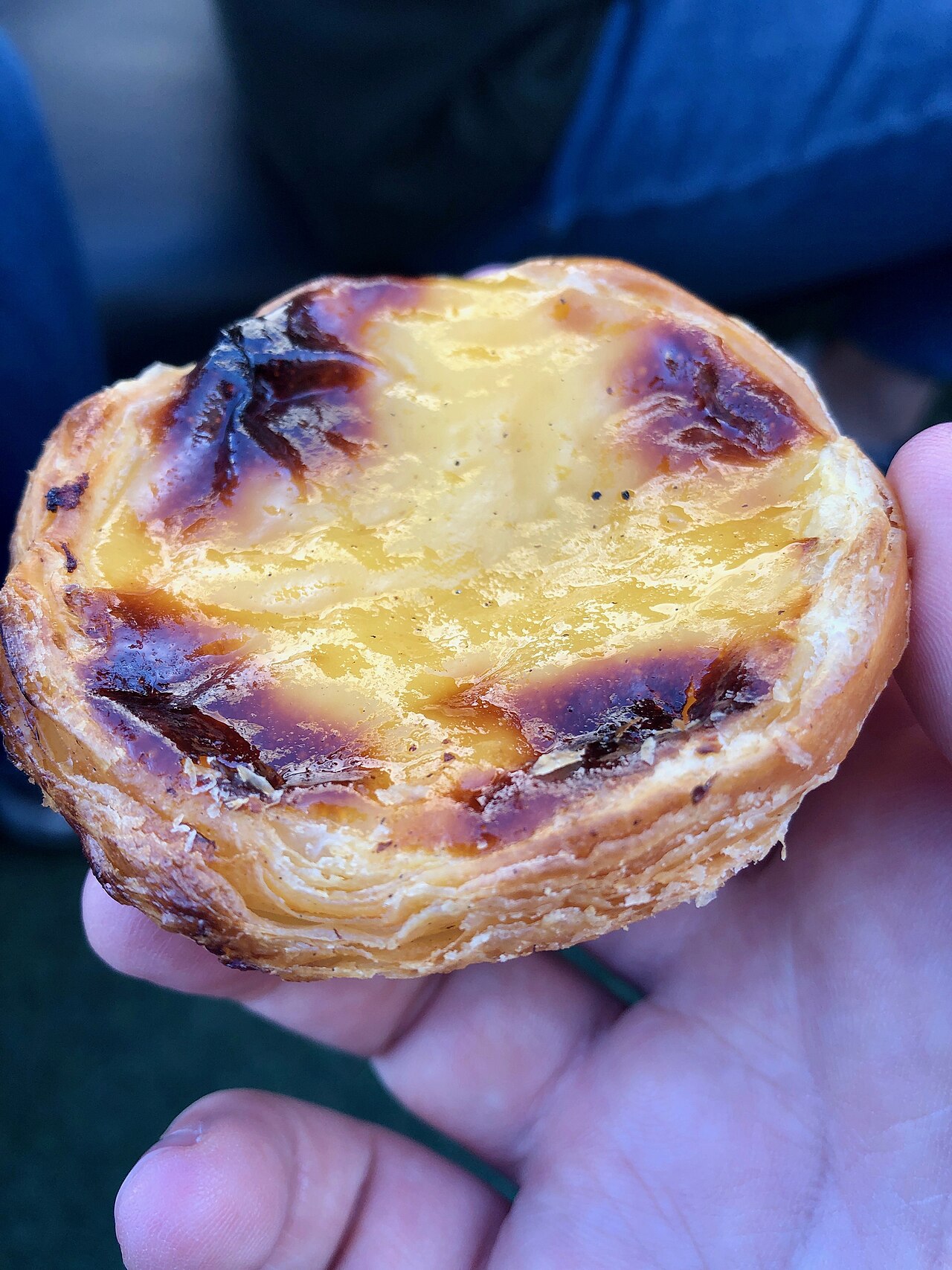
Watch for three separate results: visible pastry layers, custard that sets without turning rubbery, and a caramelised top created by fierce heat. A good teacher helps you connect each result to a decision you made, so you can adjust your next batch at home.
Pastel de Belém is a specific name tied to Belém; a general Lisbon workshop should not borrow that identity for every custard tart.
Questions before you choose
The useful outline identifies each participant stage, any prepared dough and the division of group work. Recipe notes should include temperatures and resting times, with a realistic home-oven alternative if the class uses specialist equipment. Share egg, dairy and gluten needs before the day. A tasting tour suits comparison and history; a baking class puts you at the bench.
What we checked
Sources behind the local details
We used these sources for local history, geography and cultural context. Opening times, access and programmes can change, so confirm current details with the venue or host. Sources checked on 21 August 2026.