.jpg)
A Porto cooking class should earn its northern identity through the recipe, ingredients and method. “Portuguese food” is too broad to explain why this city is the right classroom.
A lesson with real participant stages
The cook should name what you will prepare, demonstrate a technique, watch your first attempt and help you adjust seasoning, texture or heat. Market context can be useful, but the practical stages need enough time. Watching a chef followed by lunch is a demonstration and meal, not a hands-on class.
Ask whether each learner has a workstation, how group tasks are shared and what recipe notes you take home. A strong session explains a transferable cue—how a broth develops, when a mixture is ready or how a particular ingredient behaves.
Plan the whole menu
Confirm dietary needs and allergen controls before the day, including shared oils, stock and equipment. The lesson should remain complete without alcohol-led tastings.
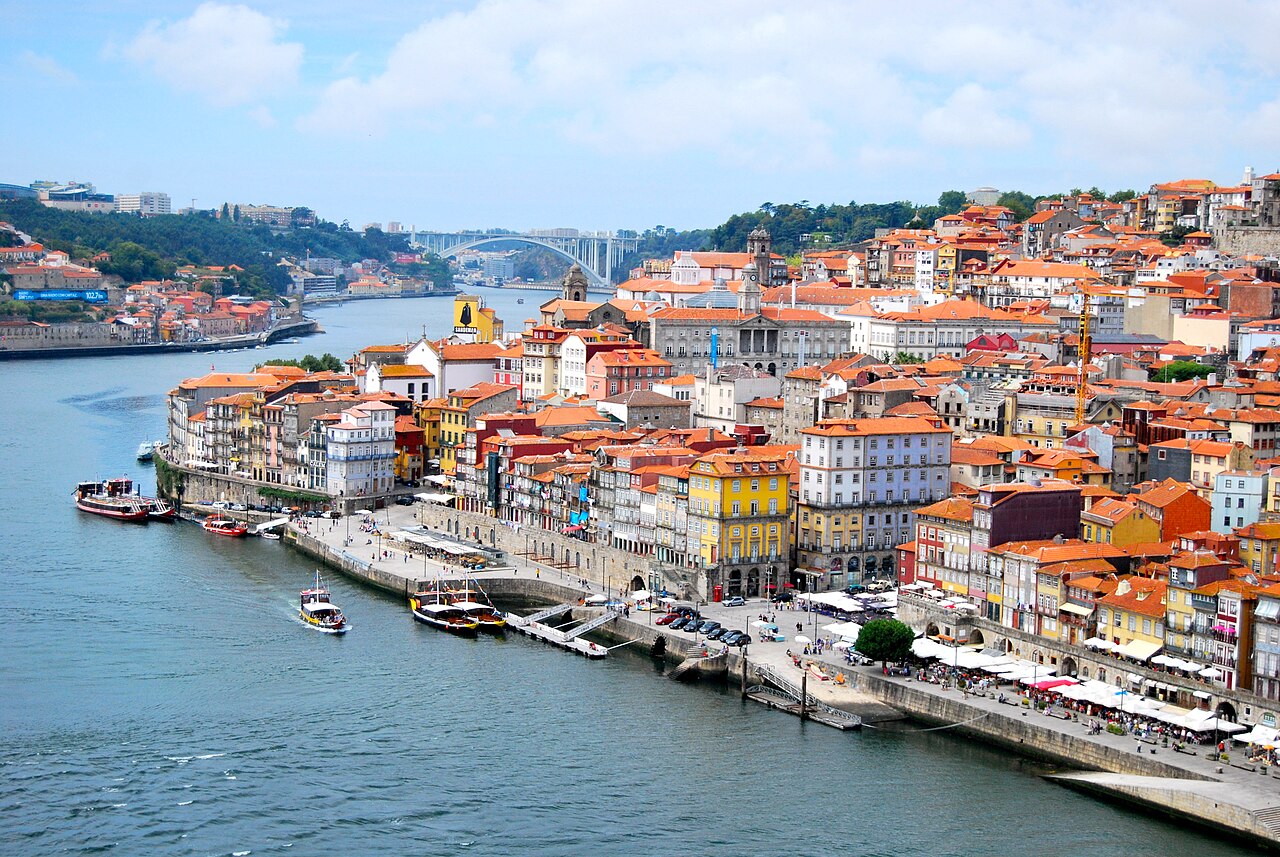
Porto’s slopes and river crossings make the address important. Keep a market and kitchen in the same area where possible, and do not count transfer time as cooking time. Read the city context in what to learn in Porto.
What we checked
Sources behind the local details
We used these sources for local history, geography and cultural context. Opening times, access and programmes can change, so confirm current details with the venue or host. Sources checked on 21 August 2026.