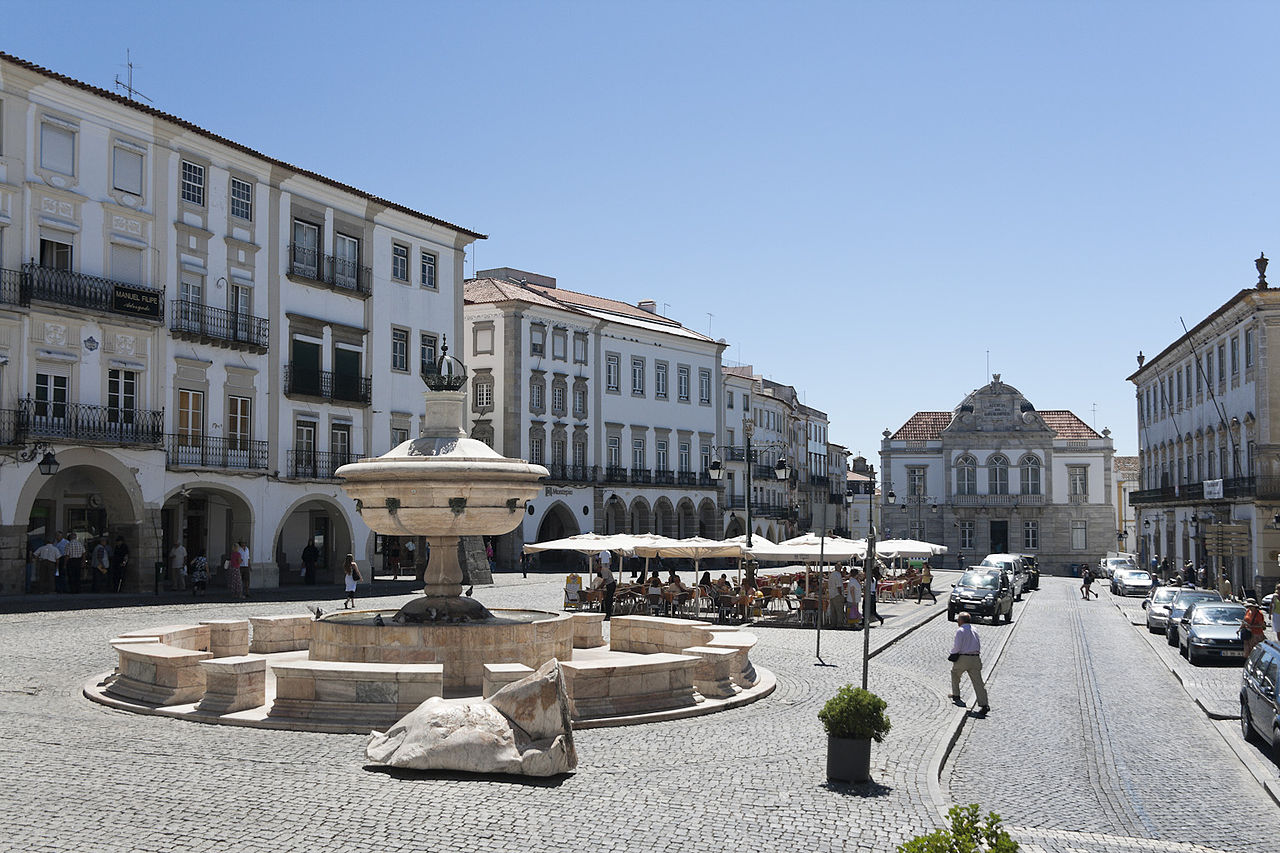

Évora is a useful kitchen base for the Alentejo. A good class shows how regional ingredients and methods work together rather than serving a national menu under a regional title.
Bread, olive oil, pork and aromatic herbs form much of the region’s everyday cooking grammar, yet the menu should still follow the dish and the season. The cook can explain why stale bread becomes the body of an açorda in one preparation or is worked differently in migas, how herbs carry flavour, and how the season changes what belongs beside them. Évora’s own conventual pastries offer a different lesson again; they deserve more than a vague “Portuguese food” afternoon.
You should prepare meaningful stages: building a bread-based soup, controlling a herb-and-olive-oil base, seasoning at checkpoints or judging the texture of pulses, vegetables or a slow-cooked dish. The cook tastes with you, explains a correction and leaves you with a method that travels. Listen for the moment when bread has absorbed enough liquid, herbs should be added or a stew needs patience rather than more heat. Those are the lessons a recipe title cannot give you.
The class outline should name the dish, its Alentejo connection, the seasonal ingredients and the division of tasks. Market time needs to leave enough room for cooking. Share dietary needs before the day, including allergens and cross-contamination concerns. The teaching should remain complete without alcohol-led tastings.
Summer heat favours a morning market and an indoor afternoon kitchen. A recipe sheet is helpful, but the lasting value should be the sensory cue you learned to recognise.
What we checked
Sources behind the local details
We used these sources for local history, geography and cultural context. Opening times, access and programmes can change, so confirm current details with the venue or host. Sources checked on 21 August 2026.