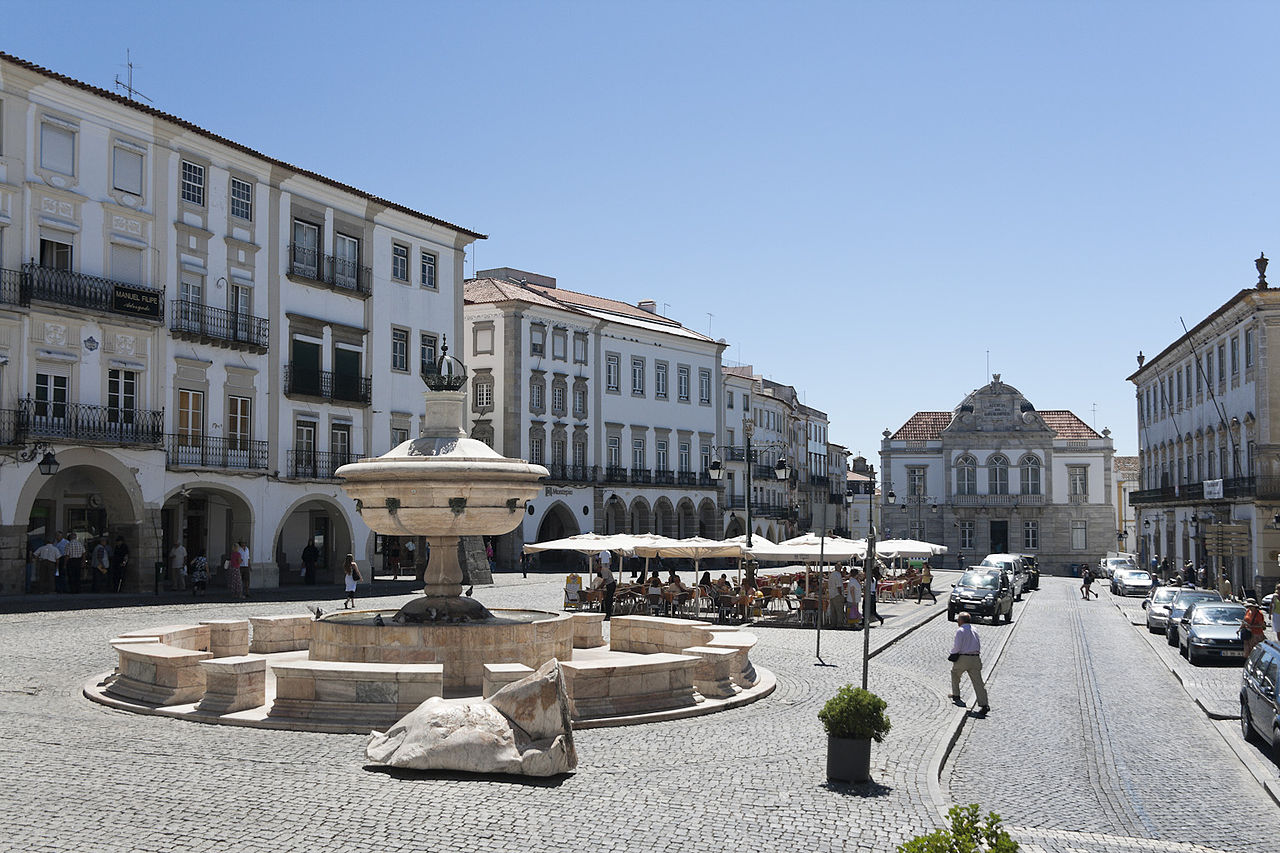

Évora makes a thoughtful base for learning Alentejo cooking because the city connects markets, household food and the agricultural landscape around it. The lesson should taste of the region, not use an Évora address for a generic Portuguese menu.
What an Alentejo cooking lesson can teach
Bread, olive oil, herbs, pulses and seasonal produce can show how flavour and texture are built from modest ingredients. A useful class gives participants meaningful work: preparing a base, judging consistency, seasoning at checkpoints and finishing a dish with the cook’s correction.
Ask which recipe is taught and why it belongs to the Alentejo. A market visit can add context if it helps you choose or understand ingredients, but it should not replace practical kitchen time. Dietary and allergen needs must be agreed for the whole session, not only the final plate.
Use Évora as a base, not a label for the whole region
São Pedro do Corval’s pottery and Arraiolos tapestry belong to their own towns. They can be day trips from Évora, but the maker, studio and travel time should be named honestly. The same is true of cork: the surrounding landscape offers rich interpretation, while a hands-on workshop needs a maker who lets you examine, handle or try the material yourself.
Summer heat favours early walks and indoor afternoon cooking. Spring and autumn make it easier to connect a kitchen lesson with fields, markets or nearby craft towns without rushing.
What we checked
Sources behind the local details
We used these sources for local history, geography and cultural context. Opening times, access and programmes can change, so confirm current details with the venue or host. Sources checked on 19 August 2026.