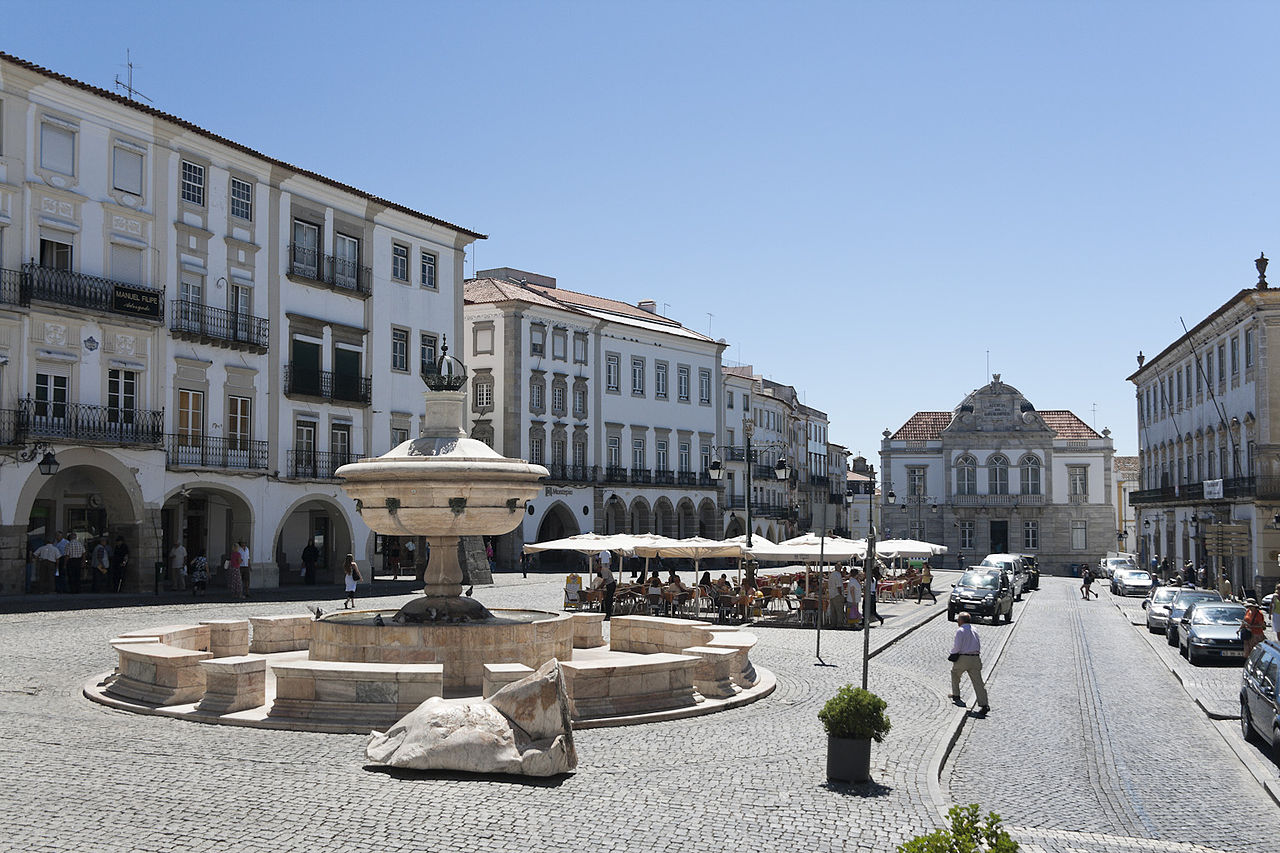

The Alentejo rewards slow, exact travel. Évora is the practical base for regional cooking, São Pedro do Corval for pottery, and Arraiolos for its distinctive stitched rugs. Cork belongs to the landscape and working economy. A workshop should give you something useful to examine, handle or try—not only a stop at a shop.
Three places, three practices
In Évora, a cook can teach how bread, herbs, olive oil and seasonal produce become a balanced regional dish. In São Pedro do Corval, a potter can show clay preparation, forming, decoration and firing boundaries. In Arraiolos, the learner should practise a declared stitch or design stage with correction rather than merely watch finished rugs being sold.
A cork landscape walk can teach the relationship between tree, harvest cycle, material and land management. A factory visit may add interpretation. Neither should be described as making cork products unless participants actually learn and practise that process.
Travel at the region’s pace
Distances look modest, but public transport between craft towns can be sparse. Évora plus one specialist town is a comfortable short break. Summer heat pushes outdoor interpretation to morning; studio and kitchen work can occupy the afternoon. Spring and autumn suit a broader road route.
What we checked
Sources behind the local details
We used these sources for local history, geography and cultural context. Opening times, access and programmes can change, so confirm current details with the venue or host. Sources checked on 19 August 2026.