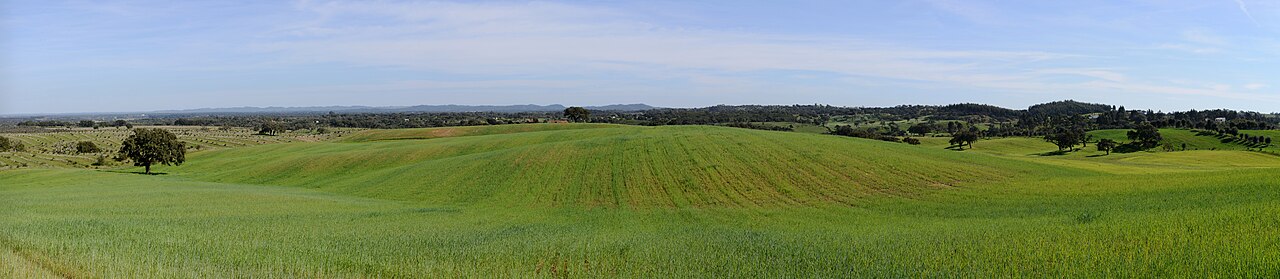

Cork comes from the bark of the cork oak. In Portugal, particularly the Alentejo, the material connects landscape, skilled harvest, long growing cycles and many later manufacturing uses.
The tree is not cut down to obtain cork. Specialist harvesters remove the outer bark during the active growing season, usually from late spring into summer, without damaging the living layer below. APCOR states that the first harvest normally waits until the trunk reaches the required size, which takes about 25 years.
The first bark, known as virgin cork, is irregular and too hard for natural stoppers. The second harvest comes nine years later but still has different uses. From the third harvest, the more regular amadia cork can supply higher-quality applications. A mature tree can then be harvested on a nine-year cycle.
What you can genuinely learn as a visitor
A guided landscape session can teach you to recognise cork oak, read harvest markings and understand why bark removal follows a managed cycle. A factory or workshop demonstration can show sorting, cutting or finishing. Those are worthwhile interpretive formats.
For hands-on cork making, ask which material stage you will meet, which tools you will use and who will teach you. Assembling a small object from pre-cut sheet can be a useful introduction, but it is different from harvesting bark or producing technical cork. Choose it for what it genuinely lets you learn.
Read the tree without touching it
Look for the contrast between recently exposed trunk and older bark higher on the tree. Harvesters mark trees with the last digit of the harvest year, which helps the estate manage the next cycle. The open woodland system around the trees is often called montado in Portugal; it supports grazing, crops and wildlife as well as cork production.
Do not interpret every stripped trunk as damage. Correct harvesting is planned work done by experienced descortiçadores. Removing bark yourself can injure the tree and trespass on working land.
Follow the material into the workshop
After harvest, planks are seasoned and processed before sorting. Natural stoppers are punched from suitable pieces. Other grades and offcuts can become granules, agglomerated products, insulation, flooring, design objects or sporting materials. A factory visit should state which part of this chain is running on the day.
A short craft session usually starts much later in the process. You may cut, assemble or finish prepared cork sheet or blocks. That can teach material behaviour, tool control and joining, but it is not cork harvesting and should not borrow the language of forestry expertise.
Plan an honest cork day
Choose the format first. A landscape walk explains ecology and harvest cycles. A working-estate visit may add a seasonal demonstration. A factory tour follows transformation. A bench workshop gives you a safe making task. Combining all four requires travel and far more than an hour.
Never peel or collect bark independently. Respect working land, fire rules and the landholder’s permission. A low-supply period does not erase cork from the Alentejo learning map; it means travellers use the guide for understanding until a genuine public lesson is confirmed.
Ask who leads the visit, choose footwear for the ground and check whether the day includes landscape interpretation, a demonstration or practical bench work.
What we checked
Sources behind the local details
We used these sources for local history, geography and cultural context. Opening times, access and programmes can change, so confirm current details with the venue or host. Sources checked on 21 August 2026.