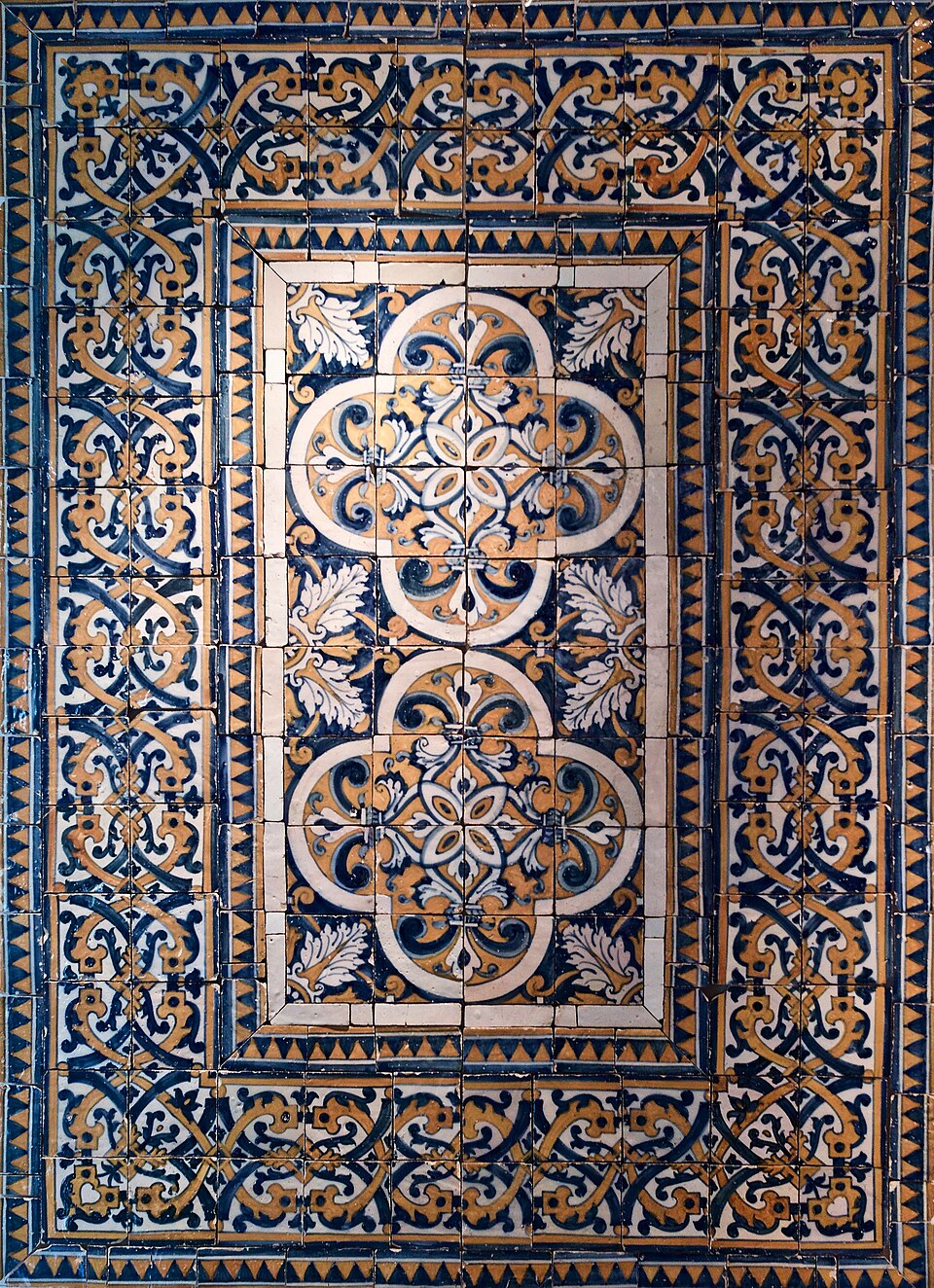
Azulejo does not simply mean a blue Portuguese tile. Museus e Monumentos de Portugal Azulejo is an Iberian term and tradition with important Portuguese development. Museus e Monumentos de Portugal
GoLearnTo’s working test is deliberately practical: identify the learner’s task, the teacher or practitioner, the chance to receive correction, and the outcome that can honestly survive the journey home.
Your decision map
| Question | Evidence-led starting point |
|---|---|
| What is an azulejo—and what is it not? | Azulejo does not simply mean a blue Portuguese tile. |
| How did Portuguese azulejos change over time? | Portuguese azulejaria absorbed multiple cultural and technical influences rather than emerging unchanged from one source. |
| How is a painted tile actually made? | A ceramic tile can involve forming, drying, bisque firing, glazing, painting, firing and installation. |
| How can you read different tile types in place? | Blue-and-white is one major palette, not the whole history of Portuguese tilework. |
| Why do conservation and provenance matter? | Crazing, moisture, salts, mortar and substrate movement can affect installed historic tiles. |
What is an azulejo—and what is it not?
What is an azulejo—and what is it not matters in Azulejo because offers with similar labels can give the learner very different jobs. Azulejo does not simply mean a blue Portuguese tile. Museus e Monumentos de Portugal Azulejo is an Iberian term and tradition with important Portuguese development.
That changes what you should ask before committing. The word azulejo is not derived from Portuguese azul.
Before enquiring, ask for evidence that closes the remaining gap. Blue-and-white is one major palette, not the whole history of Portuguese tilework. Geometric, figurative, narrative, relief, façade and industrial tiles are different forms. Portuguese azulejaria absorbed multiple cultural and technical influences rather than emerging unchanged from one source. Museus e Monumentos de Portugal
How did Portuguese azulejos change over time?
Use one practical test for Azulejo: can the host explain what you will try, how feedback works and what remains after the session? Portuguese azulejaria absorbed multiple cultural and technical influences rather than emerging unchanged from one source. Museus e Monumentos de Portugal Early imported and Iberian techniques should not be described as exclusively Portuguese inventions.
The useful distinction is between a label and an evidenced teaching format. Seventeenth- and eighteenth-century narrative panels differ from later repeating façade modules.
Keep the limitation visible. Post-earthquake Lisbon rebuilding increased demand for repeatable and economical tile patterns. Nineteenth-century industrial production and façade use changed the scale and appearance of azulejo. Modern artists and public-transport commissions continue the medium beyond historic churches and palaces. VisitPortugal
How is a painted tile actually made?
A useful Azulejo guide should make this choice clearer before you contact anyone. A ceramic tile can involve forming, drying, bisque firing, glazing, painting, firing and installation. VisitPortugal Maiolica, underglaze, overglaze, stencil, pounce and transfer printing are not interchangeable terms.
This is where local context becomes part of the lesson instead of background scenery. A pre-made glazed blank changes what a short workshop actually teaches.
Treat current details as current only when the direct source and check date agree. Painting two tiles is not the same as making a tile body or installing a panel. The final colour can change during firing, so unfired appearance is not the finished result. Firing and cooling time affect same-day collection claims. American Ceramic Society
How can you read different tile types in place?
The postcard is the easy part. The useful comparison starts with what happens between a first attempt and the next one. Blue-and-white is one major palette, not the whole history of Portuguese tilework. Museus e Monumentos de Portugal Geometric, figurative, narrative, relief, façade and industrial tiles are different forms.
Together, those points set a useful boundary. Portuguese azulejaria absorbed multiple cultural and technical influences rather than emerging unchanged from one source.
Turn that into two concrete enquiry questions. Early imported and Iberian techniques should not be described as exclusively Portuguese inventions. Seventeenth- and eighteenth-century narrative panels differ from later repeating façade modules. Post-earthquake Lisbon rebuilding increased demand for repeatable and economical tile patterns. VisitPortugal
Why do conservation and provenance matter?
Keep Azulejo specific: the place, practitioner and learner task should all be visible. Crazing, moisture, salts, mortar and substrate movement can affect installed historic tiles. American Ceramic Society Cleaning or reattaching historic tiles is conservation work, not a casual visitor activity.
For travellers, the consequence is practical. A tourist workshop should not imply that it trains participants to restore protected fabric.
The next step is to verify the moving parts. Detached historic tiles require provenance and theft-risk scrutiny. Readers should not remove tiles from buildings or buy suspicious detached architectural material. Reproductions and replacement tiles should be labelled honestly. Bonte Filipidis
Is it a tour, painting workshop or conservation course?
Is it a tour, painting workshop or conservation course matters in Azulejo because offers with similar labels can give the learner very different jobs. A museum visit, walking tour, painting workshop, ceramics course and conservation programme are different products. Bonte Filipidis A demonstration or guided explanation is NOT A CLASS without meaningful participant work.
That changes what you should ask before committing. A workshop should state whether the learner paints, transfers, glazes, fires or only decorates a prepared blank.
Before enquiring, ask for evidence that closes the remaining gap. Active making time should be separated from history talk, shopping and collection logistics. Teacher identity, technique, tile size, materials, group cap and output should be disclosed. Firing location, turnaround, pickup and shipping liability should be confirmed before booking. University of Oxford Research Archive
What current museum, firing and access checks matter?
Use one practical test for Azulejo: can the host explain what you will try, how feedback works and what remains after the session? Firing location, turnaround, pickup and shipping liability should be confirmed before booking. University of Oxford Research Archive Children’s age, supervision, aprons, pigments, ventilation, seating and step-free access matter.
The useful distinction is between a label and an evidenced teaching format. The National Azulejo Museum is currently closed for refurbishment and stale opening-hours copy must not be published.
Keep the limitation visible. MMP’s 2026 plan includes off-site programming and accessibility work while refurbishment continues. doBarro remains HOLD pending current availability, instructor, firing, access, cap, terms and permission. All dates, prices, teachers, materials, firing, access, alcohol-free delivery and permissions require revalidation. Câmara Municipal de Lisboa
Which providers are HOLD, REJECT or discovery only?
A useful Azulejo guide should make this choice clearer before you contact anyone. Gazete publishes a two-hour workshop priced at €38 plus booking fees. Gazete Azulejos
Use this as a verification list, not as a promise that an unnamed operator has passed:
- Gazete states two glazed tiles, stencil and pounce transfer, materials and overnight firing. Gazete Azulejos
- Gazete links the workshop to its Os Azulejos do Porto documentation project. Gazete Azulejos
- Gazete remains HOLD pending named instructor, pigments, access, group cap, safety, alcohol-free delivery, terms and permission. Gazete Azulejos
- Agenda Porto lists doBarro sessions of two hours, four tiles, age six-plus and English in July 2026. Agenda Porto / doBarro
- doBarro remains HOLD pending current availability, instructor, firing, access, cap, terms and permission. Agenda Porto / doBarro
Treat current details as current only when the direct source and check date agree. Gazete remains HOLD pending named instructor, pigments, access, group cap, safety, alcohol-free delivery, terms and permission. Agenda Porto lists doBarro sessions of two hours, four tiles, age six-plus and English in July 2026. doBarro remains HOLD pending current availability, instructor, firing, access, cap, terms and permission. Agenda Porto / doBarro
How should a learner compare azulejo workshops?
The postcard is the easy part. The useful comparison starts with what happens between a first attempt and the next one. A museum visit, walking tour, painting workshop, ceramics course and conservation programme are different products. Bonte Filipidis A demonstration or guided explanation is NOT A CLASS without meaningful participant work.
Together, those points set a useful boundary. A workshop should state whether the learner paints, transfers, glazes, fires or only decorates a prepared blank.
Turn that into two concrete enquiry questions. Active making time should be separated from history talk, shopping and collection logistics. Teacher identity, technique, tile size, materials, group cap and output should be disclosed. Firing location, turnaround, pickup and shipping liability should be confirmed before booking. University of Oxford Research Archive
What should you confirm before visiting, booking or buying?
Keep Azulejo specific: the place, practitioner and learner task should all be visible. Azulejo does not simply mean a blue Portuguese tile. Museus e Monumentos de Portugal Azulejo is an Iberian term and tradition with important Portuguese development.
For travellers, the consequence is practical. The word azulejo is not derived from Portuguese azul.
The next step is to verify the moving parts. Blue-and-white is one major palette, not the whole history of Portuguese tilework. Geometric, figurative, narrative, relief, façade and industrial tiles are different forms. Portuguese azulejaria absorbed multiple cultural and technical influences rather than emerging unchanged from one source. Museus e Monumentos de Portugal
Continue your route
Sources and review note
This guide was reviewed on 13 August 2026. Stable entity and historical claims use official, institutional or professional sources where available; current provider pages are treated as discovery or first-party evidence, not independent endorsement. Prices, schedules, teachers, access, conditions and availability still require a fresh direct check.
- Museus e Monumentos de Portugal: Activity and Budget Plan 2026–2028
- VisitPortugal: Museu Nacional do Azulejo
- American Ceramic Society: Azulejos: a Portuguese tradition influenced by globalization
- Agenda Porto / doBarro: Tile Painting — July 2026
- Câmara Municipal de Lisboa: SOS Azulejo recognises Lisbon municipality
- Património Cultural, I.P.: National Azulejo Museum digital records
- Câmara Municipal do Porto: Porto cultural activity report
- Parques de Sintra: National Palace of Sintra
Enquire with the useful details
Tell GoLearnTo what you want to practise, your dates, starting level, preferred language and any access or dietary needs. An enquiry asks for information or an introduction; it does not confirm a booking, availability, verification, safety or suitability.