.jpg)
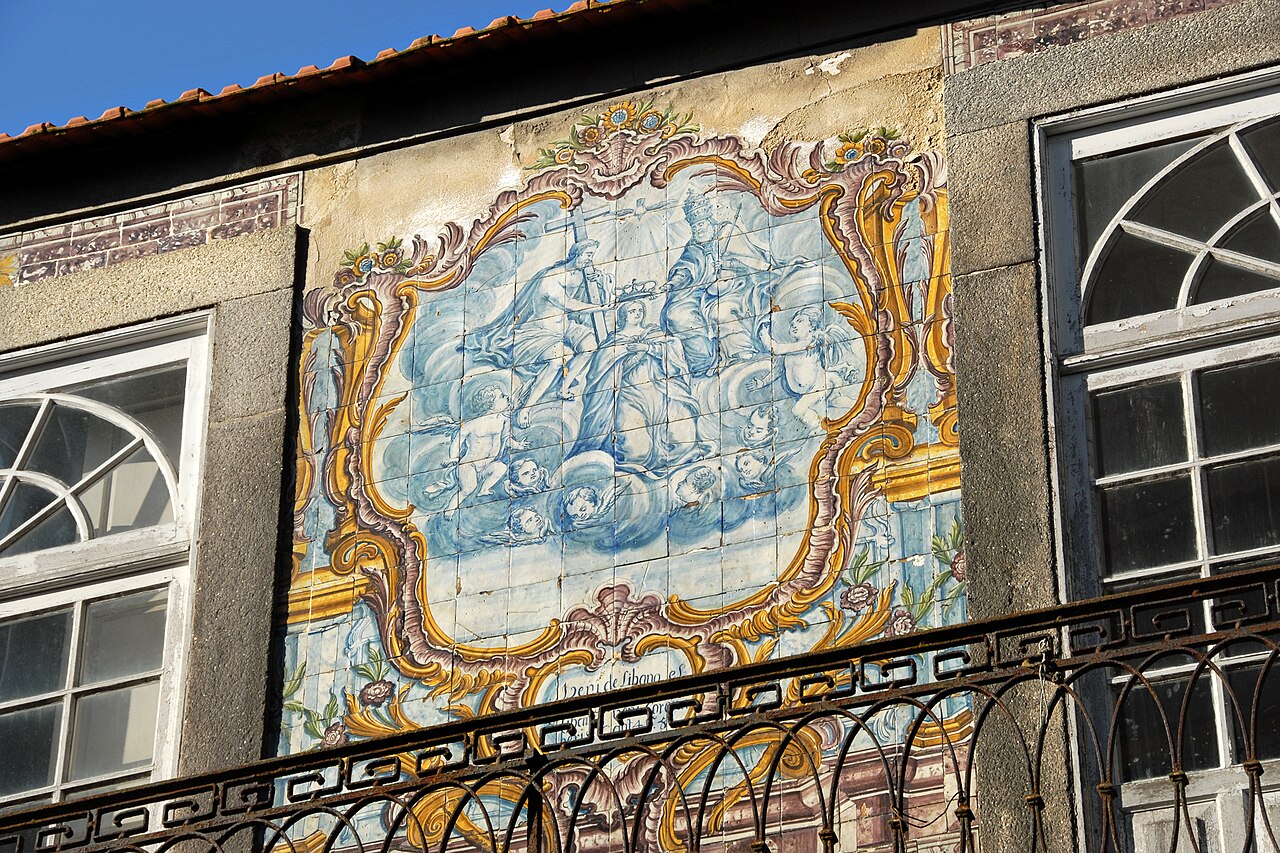
A Porto azulejo workshop can connect bench practice with the city’s tiled architecture. Its truthful promise is tile painting, unless the studio explicitly teaches clay preparation and tile manufacture too.
Published Porto formats vary more than the title suggests. One session may centre on a single prepared tile; another may develop a four-tile mural using direct drawing, tracing, transfer or stencils. Ask for the exact number of tiles, the design method and the time at the bench. Choose the format that leaves room for the teacher to review your first marks before you continue.
Your hands at the tile bench
You should choose or develop a motif, transfer or draw it on the declared surface, apply ceramic pigment and receive feedback before finishing. The teacher can explain how brush loading affects the line, how pigments respond in the kiln and why the fired result may differ from the wet paint. That makes even one tile a useful technical exercise.
Collection and context
Firing often happens after the class, so collection time may shape your departure. Current listings show that collection can take several days and that shipping may be offered, but confirm the arrangement for your own date. The studio should state its breakage terms and included materials. Share children’s ages or access needs before the day.
A short walk to compare local tiles can deepen the lesson, but it should not replace practice time. Conversely, painting a souvenir does not qualify you to conserve or date Porto’s historic panels.
What we checked
Sources behind the local details
We used these sources for local history, geography and cultural context. Opening times, access and programmes can change, so confirm current details with the venue or host. Sources checked on 21 August 2026.