%20(no%20watermark).jpg)
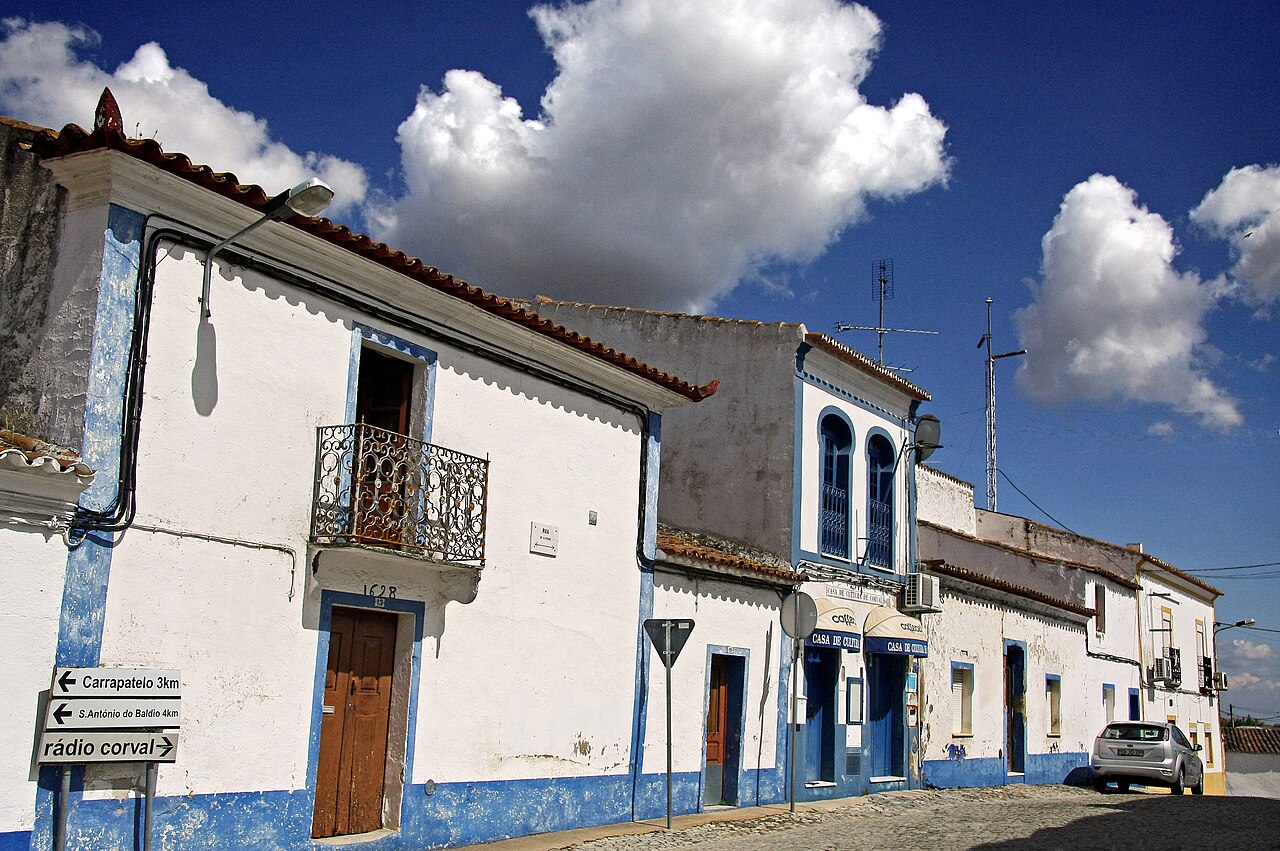
São Pedro do Corval is a working pottery village, which makes practitioner access more important than a polished visitor set-up.
Corval is especially useful for seeing red-clay pottery as a sequence rather than a shelf of finished objects. Forming is followed by slow drying; the unfired piece remains fragile greenware before it reaches the kiln. Decorated work may use a white clay slip before painted colour, and glazed pieces can require another firing. A short lesson can teach one part well, but it should show you where that part sits in the longer cycle.
A real lesson chooses one stage. You might centre and raise a small form, hand-build a vessel or decorate a prepared piece. The potter demonstrates at working speed, slows the movement down for you, corrects your hands and lets you repeat. If you decorate a prepared form, ask whether the pale ground is an engobe and what firing comes next. A demonstration without learner time remains a demonstration.
Ask what clay and tools are used, how dust and kiln heat are managed, and when the piece will be fired. A visitor cannot normally complete drying, first firing, glazing and final firing in one short sitting.
Arrange the studio before travelling. The village has shops, workshops and the Casa do Barro interpretation centre, but an open door or interpretive display does not guarantee tuition or an English-speaking teacher. Protect the artisan’s production time by agreeing the exercise and group size in advance. If no lesson is available, make the visit honestly about observing the production cycle and speaking with makers who welcome visitors.
Bring clothes suited to clay, check the collection arrangement and ask how much individual wheel or bench time each learner receives.
What we checked
Sources behind the local details
We used these sources for local history, geography and cultural context. Opening times, access and programmes can change, so confirm current details with the venue or host. Sources checked on 21 August 2026.