%20(28649591437).jpg)
Lisbon gives tile painting a rich architectural setting. The honest beginner promise is focused: you paint a declared tile surface and learn what design, pigment and firing contribute.
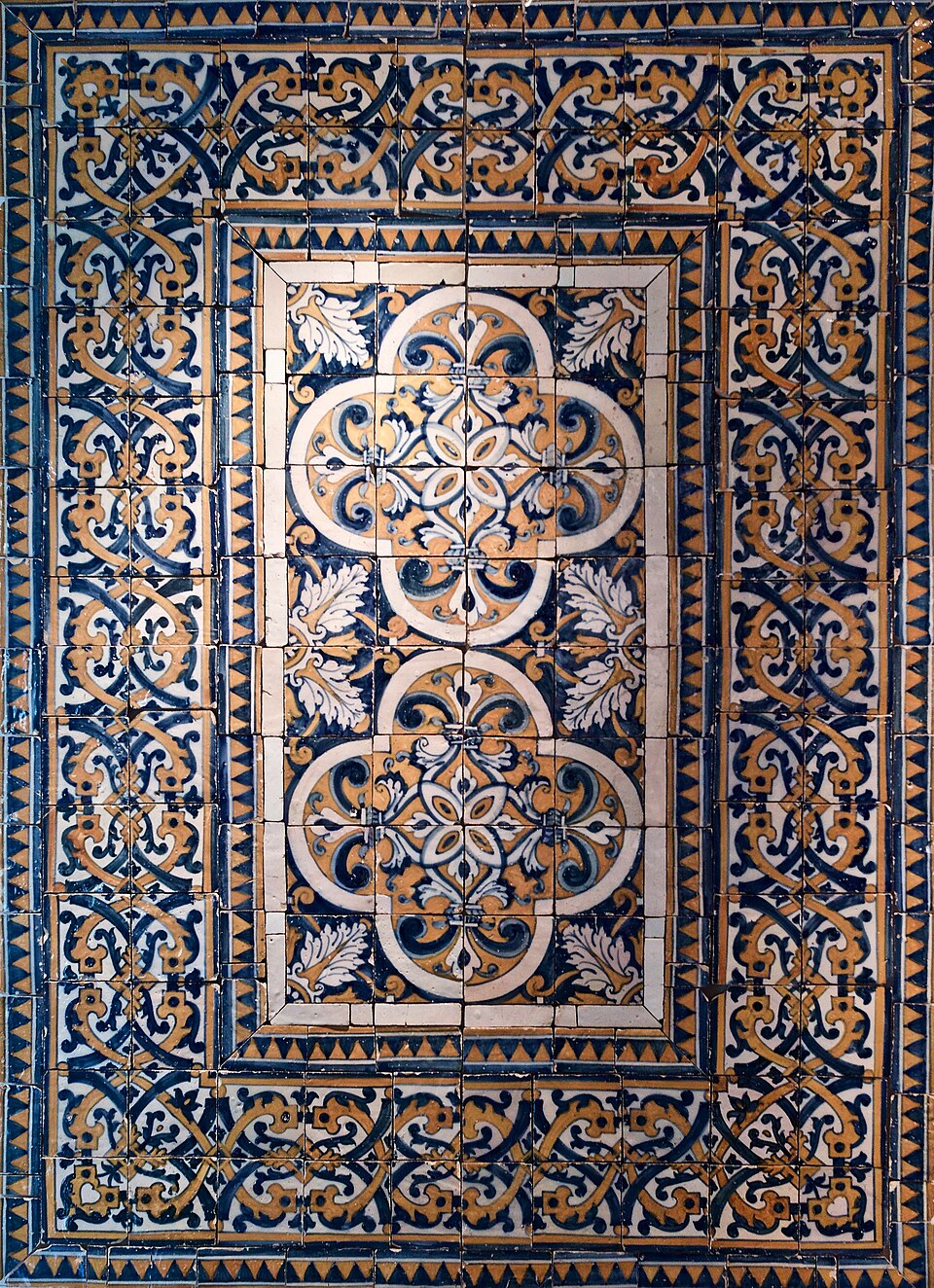
Before you choose a motif, look at how Lisbon uses tile: repeated patterns across a façade behave differently from a figurative panel designed to be read as a scene. The National Tile Museum’s collection spans work from the second half of the 15th century to the present and introduces manufacturing techniques, so it is a useful reference for seeing that azulejo is not one period or one blue-and-white style.
The first 60–90 minutes
You should see a technique demonstrated, draw or transfer a motif, apply colour, receive feedback on brush loading or line control, and make an informed adjustment. Ask whether you will paint directly, trace, use a stencil or transfer an existing design. The studio should explain whether the tile is industrially prepared, already glazed or made in-house. A brief session is not raw-clay tile manufacture or conservation training.
Take the firing seriously
The piece may need kiln firing after you leave. Ask when it can be collected, whether shipping is offered and what happens if colour changes or breakage occurs. Ventilation, materials and age suitability also belong in the practical details.
Add context by comparing your process with tiles in the city. The National Tile Museum is currently listed as closed for construction works, so check its reopening status before building it into the day. If it remains closed, a carefully chosen street route can still help you compare pattern, narrative and architectural purpose. Observation is interpretation; bench work is the lesson. Both are valuable when they are not confused.
What we checked
Sources behind the local details
We used these sources for local history, geography and cultural context. Opening times, access and programmes can change, so confirm current details with the venue or host. Sources checked on 21 August 2026.