.jpg)
Porto is one of Portugal’s strongest places to learn how tile changes a building. This is guided interpretation: you learn to look, compare and explain, rather than make a tile.
A useful observation route
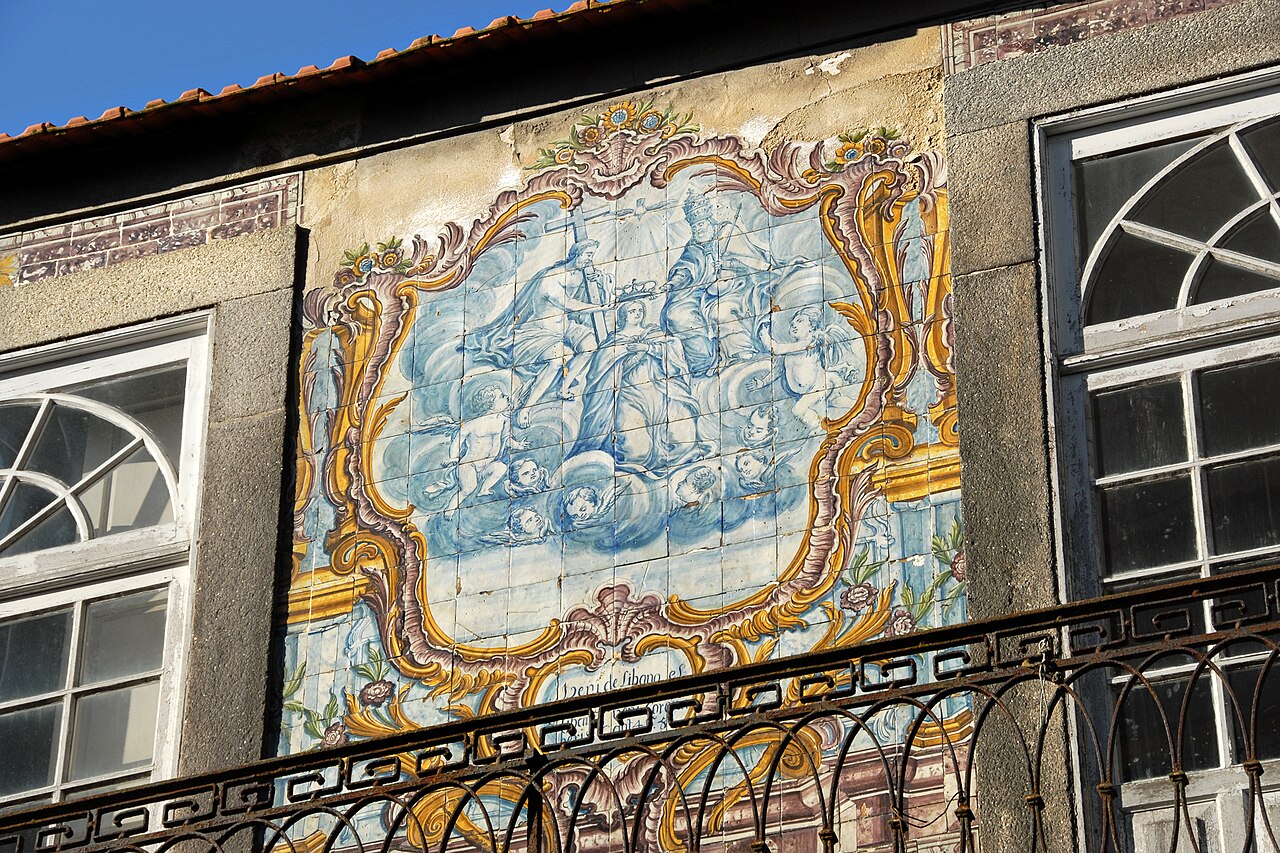
Start with two contrasting settings. Notice scale, palette, repeated pattern, figurative scene, surface condition and the relationship to the façade or interior. A guide can introduce period and production clues, then ask you to apply them at a third site. Your own annotated photographs or short comparison make the learning visible.
Stand far enough back to see the architectural job first. Does the tile mark an entrance, cover a whole exterior, frame a devotional image or carry a story across a large interior? Then move closer without touching. Repetition, borders and changes in scale often reveal how the surface was organised. Cracks, replacement tiles and fading are condition clues; they are not a licence to diagnose damage without conservation knowledge.
São Bento station and tiled churches are famous, but a route should not reduce the city to a checklist of blue-and-white surfaces. Compare a narrative panel with a repeated façade pattern, or a grand public interior with a shopfront designed to be read from the street. Earlier, later, industrial and commercial examples all complicate the story. You should finish able to describe what the tile is doing, not merely name where you saw it.
Respect the objects and the street
Do not touch historic tile, block entrances or photograph worshippers without care. Busy pavements, station traffic and church schedules affect group size and timing. If you want hands-on work, book a separate azulejo painting class and keep the two formats clear. Painting teaches brush, pigment and firing decisions; this route teaches attention, comparison and architectural context.
What we checked
Sources behind the local details
We used these sources for local history, geography and cultural context. Opening times, access and programmes can change, so confirm current details with the venue or host. Sources checked on 21 August 2026.