
Mallorca rewards cyclists who compare climbing as carefully as distance. A short Serra de Tramuntana ride can demand more than a longer plain route, while traffic, wind, heat and road confidence change what feels comfortable.
Start with bike and rider
The first session should check bike fit, braking, gears, group signals and descending confidence before the hardest road. A coach can watch your position, pacing and cornering, give one correction and let you apply it on the next section.
Ask for daily distance and climbing, the steepest sustained gradient and likely road surface. “Suitable for intermediates” is less useful than an honest route profile and a stated regrouping plan. Confirm guide ratio, vehicle support, mechanical help and what happens when one rider needs a shorter day.
Let the island shape the route
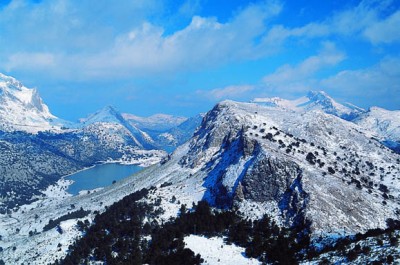
The Tramuntana is a cultural landscape of terraces, water systems, settlements and steep roads—not simply a collection of famous climbs. Ride with space for residents, buses and other cyclists. Coastal wind and summer heat can make timing decisive.
Check where the ride begins and whether the transfer is included. The bike specification should cover fit, gearing, pedals and a helmet. Make sure your insurance covers the planned riding. Ask what replaces a high route in poor weather.
Pair cycling with Mallorca walking only if your legs have a genuine recovery day. A good holiday leaves you riding with better judgement, not merely collecting summits.
What we checked
Sources behind the local details
We used these sources for local history, geography and cultural context. Opening times, access and programmes can change, so confirm current details with the venue or host. Sources checked on 22 August 2026.