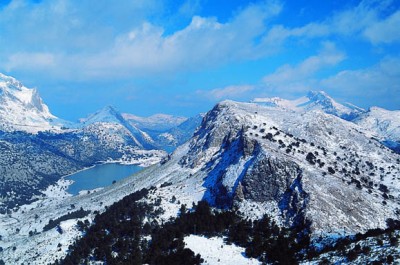

The Serra de Tramuntana is a cultural landscape shaped by terraces, stone, water management and settlement as well as mountain scenery. A useful walk helps you read those relationships while matching ascent and surface to your ability.
Look beyond kilometres
Ask for total climbing, steepest section, path surface and exposure. Stone paths can be demanding when wet, while summer heat changes even a familiar route. Confirm transport at both ends and whether the day depends on a bus, taxi or vehicle transfer.
In the first hour, a guide might orient the route, connect a terrace or water channel to land use and ask you to make a pacing or navigation decision. Guided interpretation — not a class is valuable even when no formal walking skill is taught; the page should name the promise honestly.
Check guide scope, emergency plan, water, shade and the alternative when weather or access changes. Protect local paths and settlements by using declared routes and small groups.
Compare Mallorca cycling if you prefer road skills, or plan taught yoga as recovery rather than cultural proof. A good walking day leaves you able to explain why the landscape looks as it does and how you would prepare for the next section.
What we checked
Sources behind the local details
We used these sources for local history, geography and cultural context. Opening times, access and programmes can change, so confirm current details with the venue or host. Sources checked on 22 August 2026.