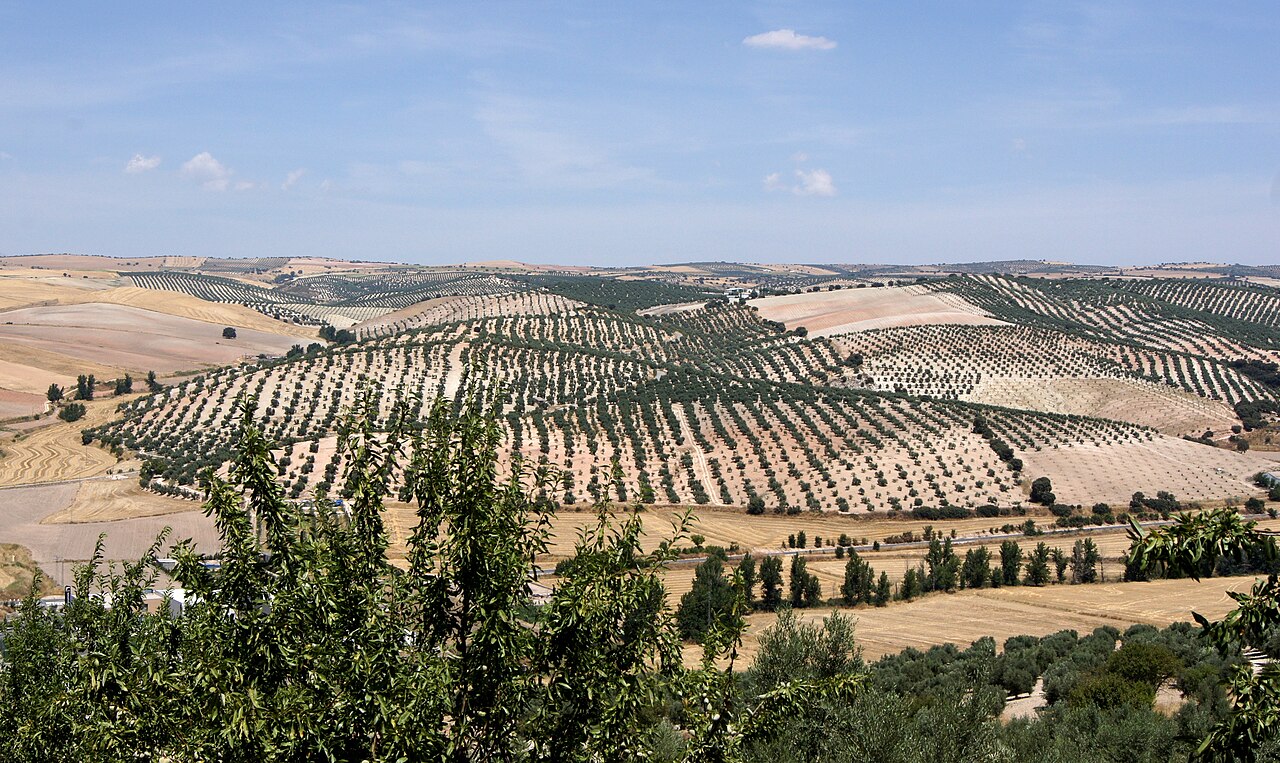

Spain’s walking landscapes range from humid northern mountains to Mediterranean islands and hot Andalusian valleys. Choose the route by terrain, season and what you want to understand—not by distance alone.
Give the walk a learning purpose
A guide may teach navigation, pacing, geology, ecology, water management or cultural landscape. In the first hour, you should orient the map, notice one field sign and make a route decision with feedback. Simple itinerary leadership is useful, but it should not be sold as instruction.
Guided interpretation — not a class is the right label when the guide helps you read land, water, settlement or cultivation without teaching a walking skill. A route can combine both formats, but the itinerary should say where each begins.
Start with the route itself. You need the distance, ascent, surface and exposed sections, plus the longest stretch without shade or water. The guide should be experienced on that terrain and explain the turnaround rules. They should also tell you how the plan responds to heat, rain, wind, wildfire restrictions or an emergency.
Mallorca’s Tramuntana links paths to terraces, water and settlement. Andalucía asks a different heat and altitude plan. A national page should help you compare these choices rather than promise one best season for every region.
Begin with walking in Andalucía or Mallorca. The useful take-home is a route you can explain, a field observation method and clearer limits for your next walk.
What we checked
Sources behind the local details
We used these sources for local history, geography and cultural context. Opening times, access and programmes can change, so confirm current details with the venue or host. Sources checked on 22 August 2026.