_edited.jpg)
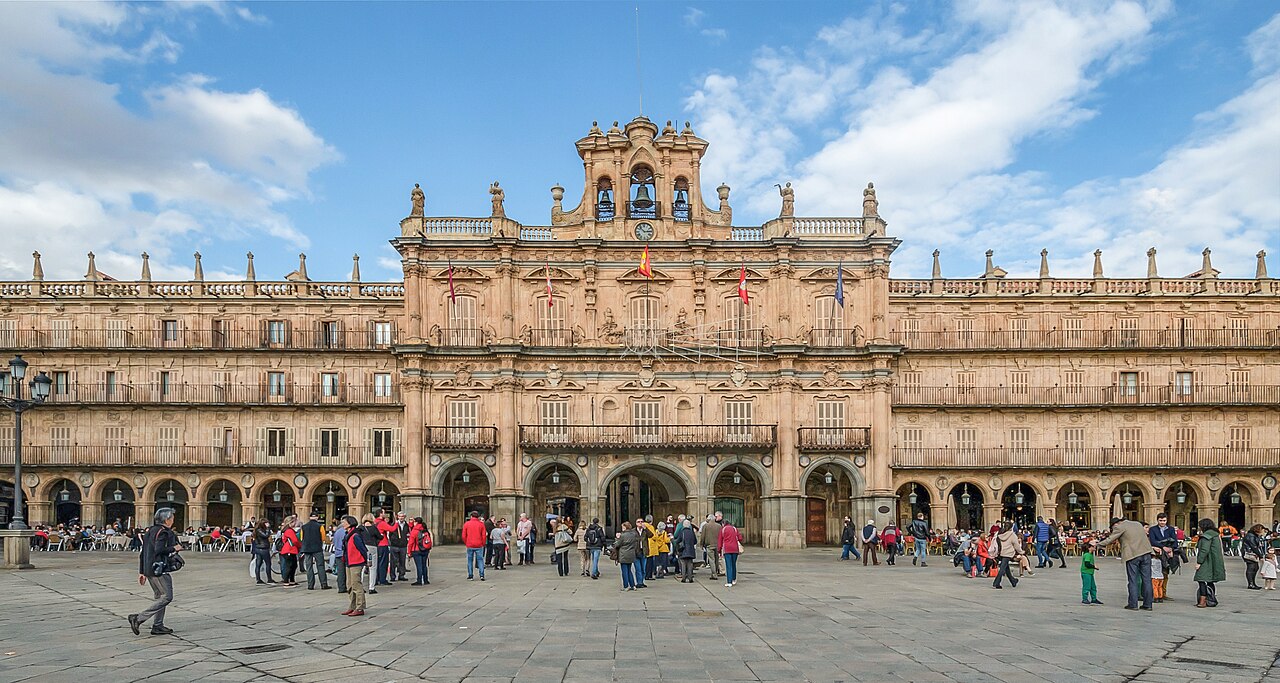
Salamanca is a strong choice for a study-led Spanish trip. The University of Salamanca has a long language-teaching history, and current programmes use several course lengths. That history gives the city useful context; it does not prove that every modern course has the right level, teacher or method for you.
Make the compact city work for you
In the first 90 minutes, expect a level check followed by a speaking task that fits your daily routine. You might explain your study plan, ask about a timetable or practise finding a route across the centre. A teacher should listen, correct a manageable point and let you complete the task again. Finish by noting one question to test outside class and bring back the next day.
Salamanca’s compact centre can make repeated use easier because class, accommodation and daily errands may sit close together. It still does not create conversation automatically. A host family, shared flat or student atmosphere adds exposure only when you actually speak and someone helps you notice what needs improvement.
Ignore the “neutral Spanish” promise
Every speaker has an accent, and Salamanca is not a language laboratory without variation. Choose one clear production model while training your ear across other Spanish voices. Ask how teachers treat regional pronunciation, which listening materials they use and whether assessment rewards intelligibility rather than imitation of a prestige stereotype.
Separate the hours
Confirm whether advertised hours mean sixty-minute hours or shorter lessons. Separate classroom contact from tours, cultural sessions and independent study. Check placement, CEFR target, group cap, teacher, assessment, public holidays and missed-class policy.
Where a private centre claims Instituto Cervantes accreditation, confirm it through the authority directory. For the exact building, ask about steps, lifts, seating, toilets, lighting and sensory conditions; city-level accessibility information cannot answer those questions.
Explore learning in Salamanca, compare Spanish courses across Spain, or prepare your ear with the guide to Spanish varieties.
What we checked
Sources behind the local details
We used these sources for local history, geography and cultural context. Opening times, access and programmes can change, so confirm current details with the venue or host. Sources checked on 22 August 2026.