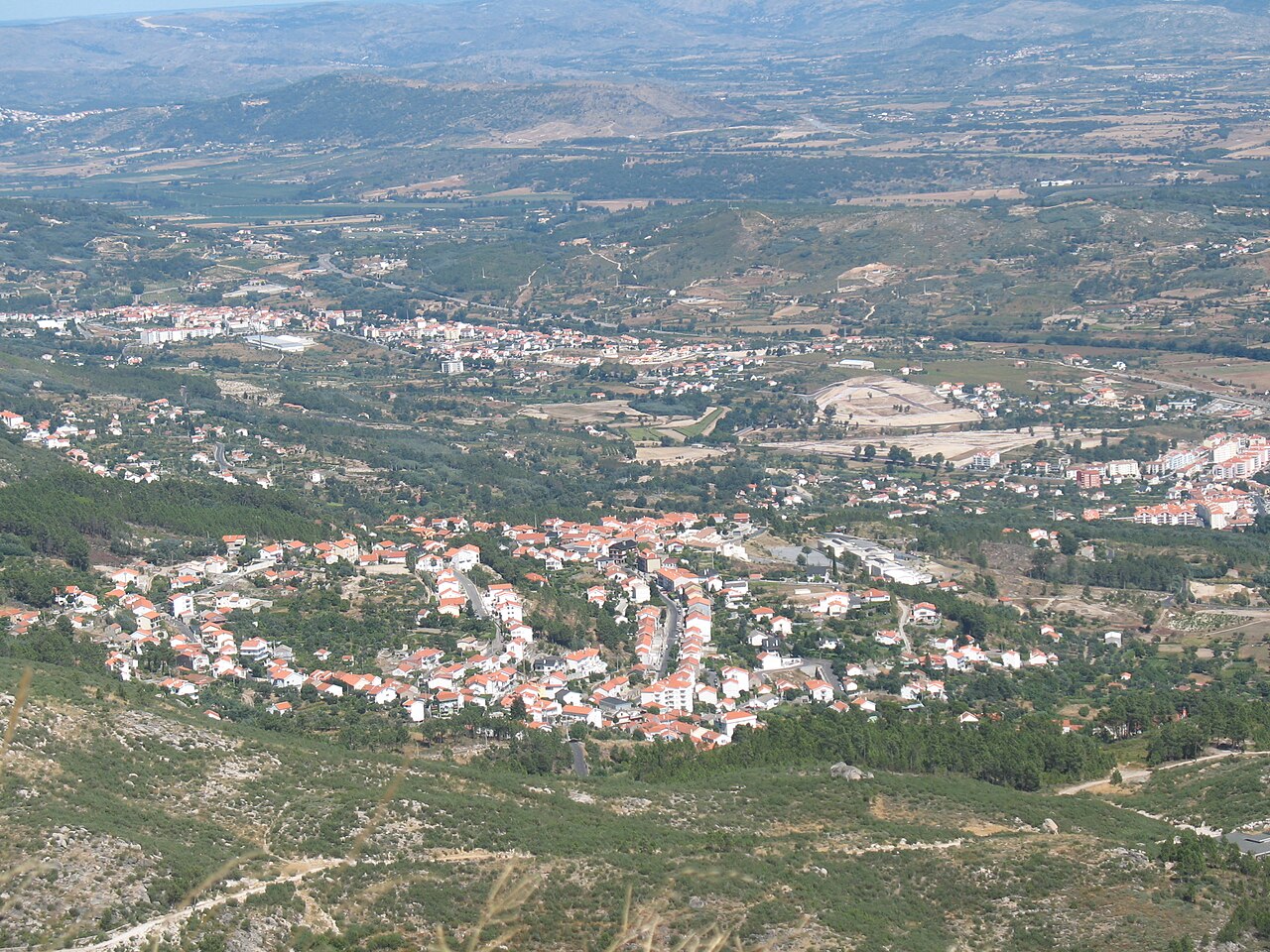

Covilhã’s wool history gives a textile lesson real local grounding. The workshop should still say whether you will spin, weave, felt, mend or work another process.
If the session uses a loom, ask to see the difference between warp and weft before you begin. The warp threads form the held structure; the weft passes through them and builds colour, texture and pattern. Even on a small frame, that gives you a decision to repeat and understand. It is more useful than being invited to move a shuttle without knowing what changed in the cloth.
A useful introduction gives you fibre or yarn, demonstrates one technique and protects time for repetition. The teacher corrects tension, rhythm or tool use before you continue. A broad talk followed by handling a finished cloth is interpretation, not a workshop.
Museum and industrial sites can explain how water, machinery, labour and mountain wool shaped the city. Industrial weaving and a visitor’s handwork exercise operate at very different scales, and the teacher should help you compare them without pretending one reproduces the other. Pairing context with handwork makes the difference between understanding production and romanticising it.
Recent Saber Fazer activity in Covilhã brought local institutions, design and teaching together around thread and loom practice. It shows that learning remains part of the city’s textile conversation. Because the published programme had fixed dates, confirm the current teacher, venue, technique and booking route before planning the journey around it.
Ask about the loom or tools, materials, seated posture, group size and whether the exercise can be completed in one session. Covilhã’s slopes and winter weather make a compact indoor plan valuable.
What we checked
Sources behind the local details
We used these sources for local history, geography and cultural context. Opening times, access and programmes can change, so confirm current details with the venue or host. Sources checked on 21 August 2026.