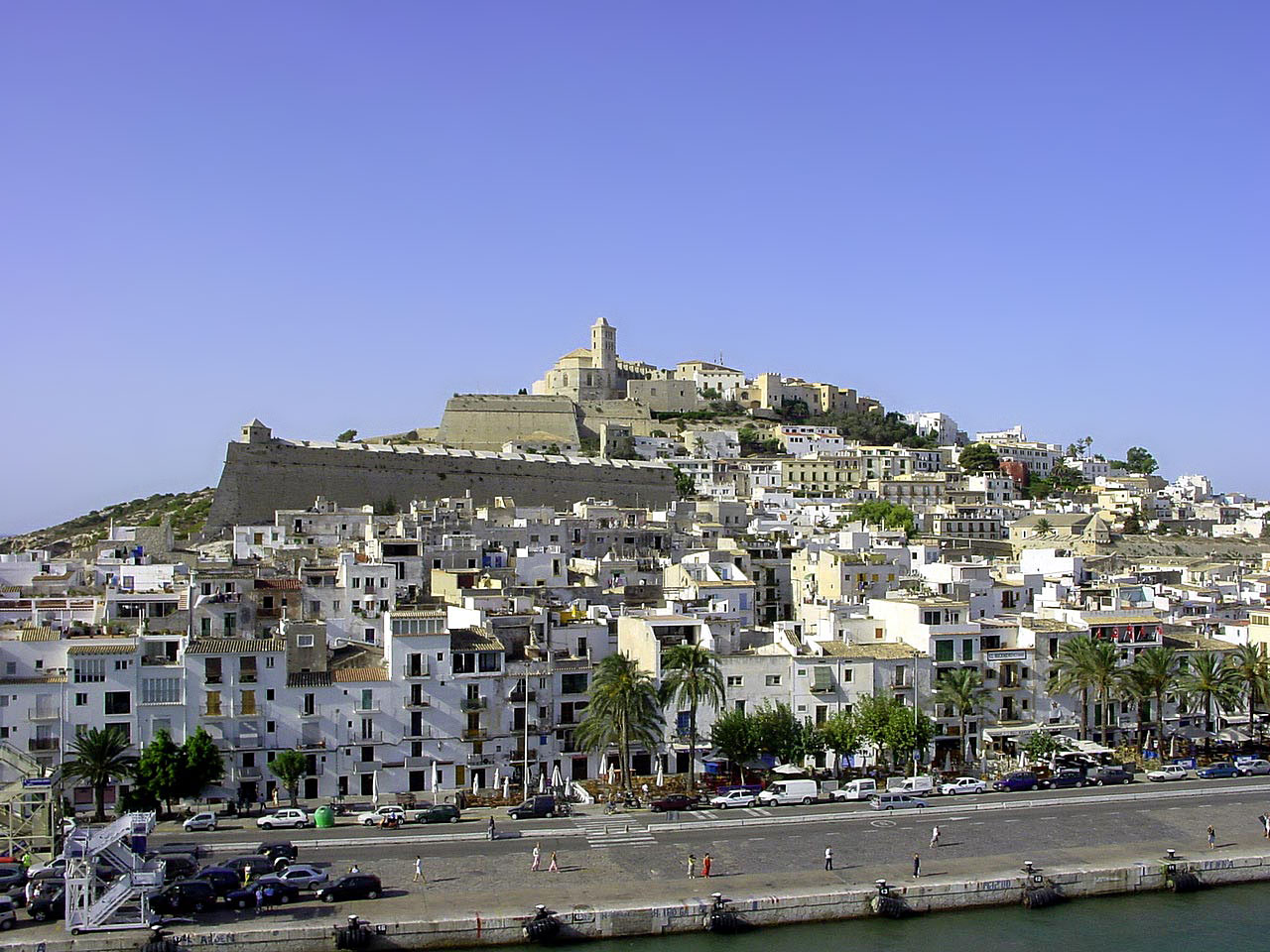

Spain changes the practical shape of a yoga trip, not the origin of the practice. An island week, a mainland coast, an inland mountain base and a city stay create different journeys. None tells you how well you will be taught. Start with the practice, then use the setting to choose transfers, weather plans, access and free time.
Start with a week that develops
Count guided practice before counting nights. A useful outline names the teacher, class level, group size and style. It also explains how a beginner or someone with limited movement can take part.
Your first 60 to 90 minutes should have a clear learning shape. The teacher asks about your experience and movements you approach carefully. They introduce the pace and available props, then guide a manageable sequence. You receive one precise cue or alternative, repeat part of the practice and leave knowing what to try next.
The next class should build on the first. Across a week, you might revisit balance, transitions, breath or a short sequence. Repetition lets the teacher see whether a cue helped. It also gives you a practice you can continue at home.
Spain’s updated AFD616_3 professional qualification offers a useful benchmark for yoga instruction. It covers programming, safe technique, adaptations to functional needs, universal access and first response in an emergency. This does not prove that every retreat teacher holds that qualification or that one credential governs every role across Spain. Ask what training the named teacher has and who takes responsibility if someone needs help.
Let the setting change the plan
Official Spanish tourism sources place yoga retreats across islands, mainland coasts, Andalusian and northern landscapes, and mountain areas. That range supports comparison. Judge teaching quality from the named teacher, timetable, adaptation and feedback. Use these five settings to narrow the journey.
Island retreat
An island name is only a starting point. Find the municipality, teaching address and sleeping address before booking a flight or ferry. Learn whether transfers are included and whether you can reach meals or free-time activities without a car. Outdoor sessions need shade, drinking water and an indoor alternative for heat, wind or rain.
Mainland coast
A coastal label may cover a city, several towns or a long resort strip. Ask for the exact municipality and the journey from your arrival point. A beach or terrace can suit early practice, while the surface, public access and midday heat may change the plan. The organiser should name the indoor room used when outdoor teaching becomes unsuitable.
Inland or mountain base
Spain’s official retreat guides include places in Andalusia, Asturias, the Aragonese Pyrenees and the Sierra de Gredos. A remote setting can protect time for a shared programme. It can also add a long transfer, steep paths or limited alternatives. Look for the venue elevation, walking surfaces, phone coverage, emergency route and a realistic wet-weather schedule.
City stay
A city base can let you book accommodation separately and attend regular classes. This suits travellers who want a flexible timetable and independent meals. Compare the commute to the studio, evening transport and whether the same teacher follows your progress. A string of unrelated drop-in classes may offer variety without building one practice.
Rural residential week
A residential retreat can keep classes, meals and rest on one site. The useful comparison is the teaching cadence: one daily class, morning and evening practice, or a mix of lessons and optional activities. Find out how much time is taught, which sessions are optional and whether the programme changes for different levels.
Make access part of the lesson
Spain’s accessible-tourism guidance recommends checking the exact places in your itinerary. Apply that advice to both the practice room and accommodation. You need the route from arrival to the mat, including steps, surfaces and the nearest suitable toilet. Ask whether a chair, wall, blocks or other props are available. The teacher should explain movement alternatives in a language you understand.
Check the sleeping room, bathroom, meals and transfers separately. A venue may have an accessible bedroom while the outdoor teaching deck remains difficult to reach. Share dietary and sensory needs before paying, then ask how the organiser will record them for the people teaching and hosting you.
For an outdoor class, the plan should cover heat, wind, rain and drinking water. The named teacher or organiser should explain first-aid responsibility and how help reaches the venue. If you need clinical advice about taking part, speak with an appropriately qualified professional before travel. Retreat copy should describe instruction and adaptations without promising a diagnosis, cure or guaranteed transformation.
Know what your booking includes
A retreat may sell teaching, accommodation, meals and transport together. Depending on how it is arranged and sold, that booking may fall under package-travel rules. The European Consumer Centre in Spain explains that a package organiser is responsible for the travel services included in the contract. It also explains the organiser’s duty to resolve a promised service that cannot be provided as agreed.
Before paying, identify the organiser and list each included service. Keep the teaching timetable separate from massages, excursions and free time. The terms should explain cancellation, teacher changes, missed sessions and what happens if a transfer or class cannot run. This is especially important at a rural venue where arranging your own replacement may be difficult.
Compare the Spain routes
Ibiza yoga retreats reward an exact municipality and transfer plan before you compare daily or twice-daily teaching. Mallorca yoga retreats can range from flexible classes near Palma to scheduled island programmes. Our Málaga province yoga guide separates current Málaga city studio classes from a residential programme in Cómpeta, in the Axarquía.
Weather normals help with seasonal comparison, but use a current local forecast near departure. Whatever setting you choose, ask the same final question: what will you practise, what feedback will you receive and what can you repeat after the trip?
What we checked
Sources behind the local details
We used these sources for local history, geography and cultural context. Opening times, access and programmes can change, so confirm current details with the venue or host. Sources checked on 22 August 2026.