
Guided interpretation — not a class. Barcelona’s architecture becomes more useful when you carry one question between buildings. How does structure create light? Where does ornament also solve a practical problem? What changed when a private home, park or workshop became a heavily visited monument?
Put Gaudí inside Modernisme
The UNESCO listing covers several works by Antoni Gaudí, but Barcelona should not be reduced to one architect. Use the city’s Modernisme route to compare façades, interiors, applied arts, industry and the ordered blocks of the Eixample.
A knowledgeable guide can help you observe load, curve, ventilation, tile, ironwork and social use. You might compare two buildings, sketch a detail or record how the same material solves different problems. You are learning to interpret what you see, not training as an architect in an afternoon.
Choose a route with a thesis
Start with the properties the route enters and the time you will spend inside. Ask whether admission is secured before booking. Monument tickets, timed entry, crowds and photography rules can reshape the route. A “Gaudí tour” that offers only photo stops provides less interpretive depth than a shorter comparison with time for questions.
Ask who guides and what architectural sources support the explanation. An architect-led route can be valuable, but the assigned guide and exact itinerary still matter. Confirm language, group size, seating, stairs and a step-free alternative.
Carry the looking into a practical session
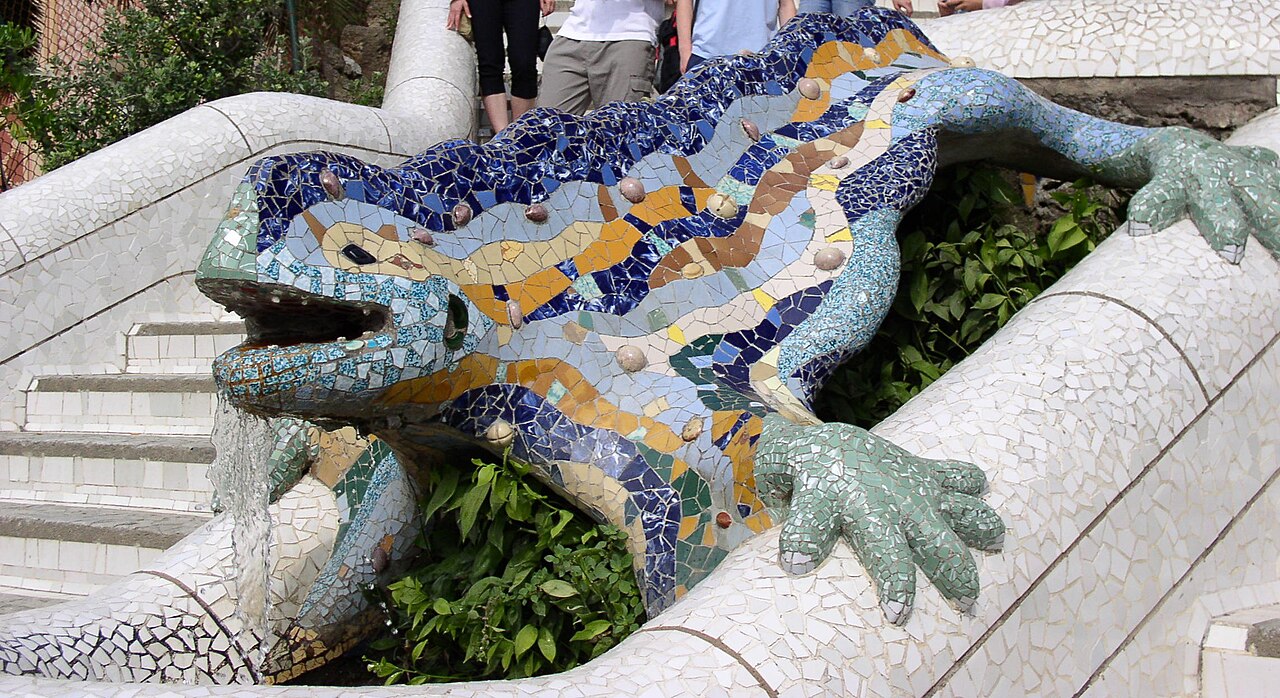
Architecture interpretation pairs naturally with trencadís and mosaic, where your hands can test surface, joint and composition, or with a Barcelona design workshop. Keep the promises separate: the city route helps you understand buildings; the workshop gives you a making task and feedback.
The result to bring home is a method for looking. You should be able to connect at least three observed details to material, use, date or design choice—and ask a better question at the next building.
What we checked
Sources behind the local details
We used these sources for local history, geography and cultural context. Opening times, access and programmes can change, so confirm current details with the venue or host. Sources checked on 22 August 2026.