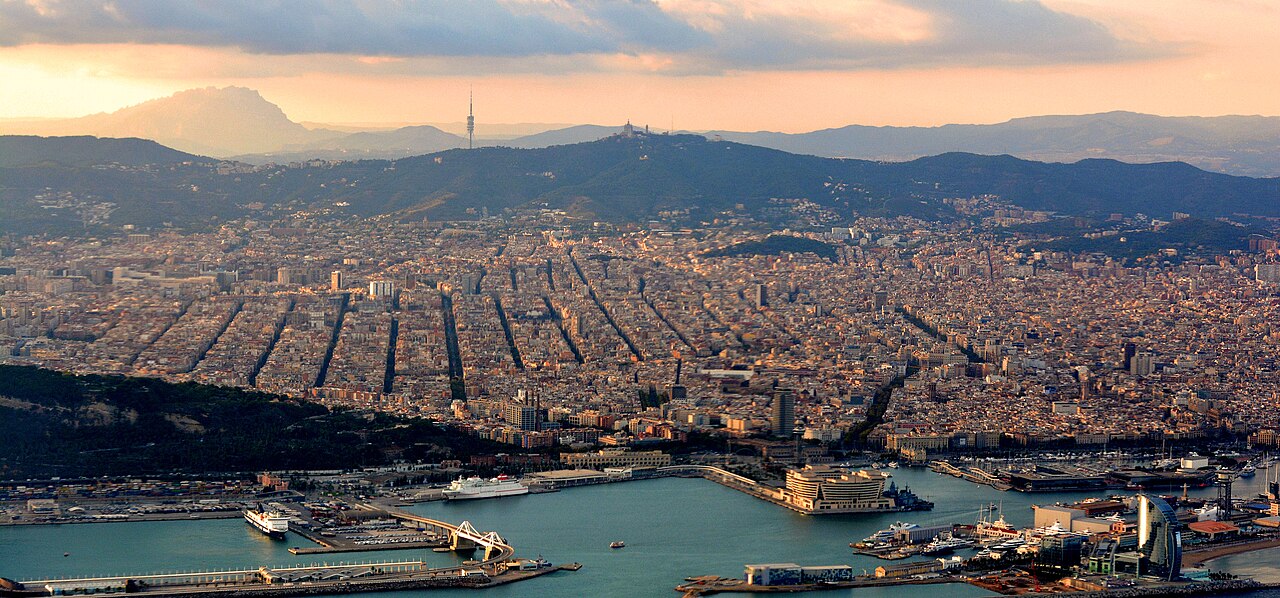

Barcelona can support a full learning week, with each landmark visit or taught session given a clear purpose. Its strongest pattern runs through language, Modernisme and applied arts: learn Catalan or Spanish, read a building closely, handle mosaic fragments, study design or take a photography assignment into the street.
The city rewards connection, but each experience needs its own honest promise.
Choose Catalan or Spanish through your goal
Learning Catalan can open a deliberate route into Catalan public and cultural life. Learning Spanish may suit a broader journey or an existing language goal. Barcelona supports both choices.
Look for placement, taught hours, corrected speaking and a realistic level outcome. Use signs and café exchanges for extra practice, then bring new questions back to a teacher who can correct you.
Move from looking to making
Modernisme becomes more useful when you compare buildings through structure, material, light, ornament and use. An expert architecture route should give you one question to carry between sites. Guided interpretation — not a class is the accurate promise here.
Trencadís creates a practical companion. At Park Güell, you can observe how fragments, colour and curved surfaces work together. In a mosaic workshop, you should plan a small design, handle material safely, receive feedback on placement and understand how the surface is finished.
Design and photography need their own tasks. A design session should move from an observed object or constraint to a sketch, prototype or critique. A photography workshop should include a first frame, a specific suggestion and a revised photograph. A museum ticket or guided photo walk may still be enjoyable; it simply offers something different.
Keep food and flamenco precise
A Barcelona cooking class should name the Catalan dish, seasonal ingredients and stages you prepare. A market visit provides context, while active cooking and correction provide the lesson.
Flamenco teaching is available in the city, but Barcelona should not claim the form as its own regional tradition. A useful class names the element you will practise—compás, palmas, posture or movement—and credits flamenco’s Andalusian development.
Plan one part of the city at a time
Barcelona’s grid looks manageable until queues, timed admissions, hills and cross-city travel enter the day. Keep an architecture session within a coherent route. Allow collection or firing time for material work. Move photography away from the busiest hours when the assignment needs patience or respectful use of public space.
Three or four days can support one main course and one companion practice. A week gives you room to combine language with architecture, mosaic, design, photography or cooking without making the city a checklist.
What we checked
Sources behind the local details
We used these sources for local history, geography and cultural context. Opening times, access and programmes can change, so confirm current details with the venue or host. Sources checked on 22 August 2026.