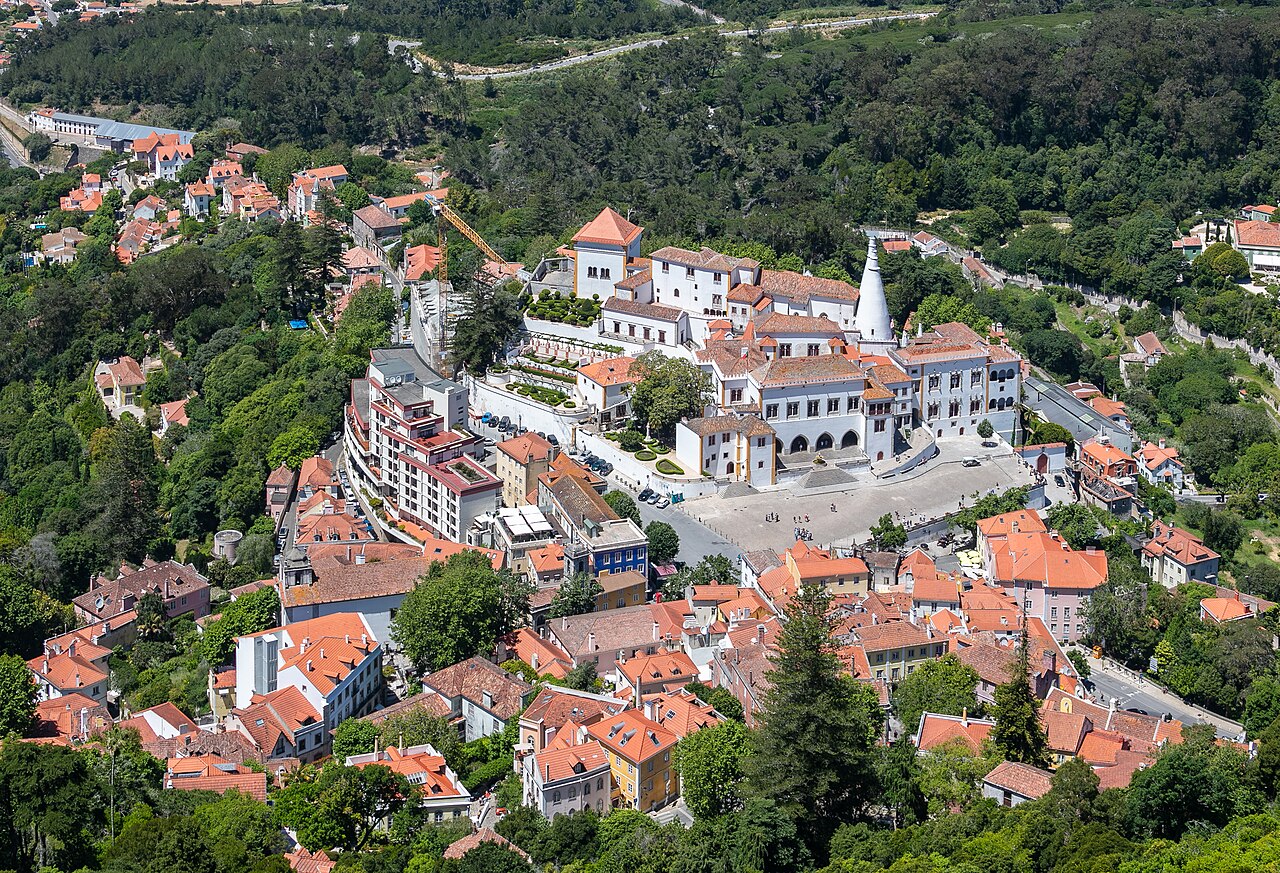

Sintra suits photography teaching because woodland, stone, mist and designed architecture create rapid changes in light and depth. The crowds and access rules are part of the assignment, not inconveniences to omit.
This is a cultural landscape deliberately shaped through gardens, paths, water and architecture, with local and exotic trees used to build mood and reveal views. That gives you more to work with than a palace façade. Try showing the transition from dense shade to an open terrace, or use a path and planting to explain how the eye is led towards a building.
A workshop should give you a visual problem, review a first frame and help you make a stronger second attempt. You might work on layered composition in the trees, control bright sky against shadow, or build a short sequence that shows a route rather than one postcard view.
Ask where critique happens, how much walking is required and whether monument admission is included. Parques de Sintra currently prohibits drones, normally restricts tripods unless written permission is granted, and does not allow artificial light in interiors where photography is permitted. Photography is not allowed inside the National Palace of Pena. Rules can change, so check them again for your date. A guide cannot promise private access or an exception without direct permission.
Early or late public-space sessions often give better working conditions. A street-and-garden assignment can be stronger than a crowded interior because it leaves room for review and a second frame. If travelling from Lisbon, count the train or road transfer separately from teaching time, and ask whether the planned route still works if fog, rain or a site closure removes the expected view.
What we checked
Sources behind the local details
We used these sources for local history, geography and cultural context. Opening times, access and programmes can change, so confirm current details with the venue or host. Sources checked on 21 August 2026.