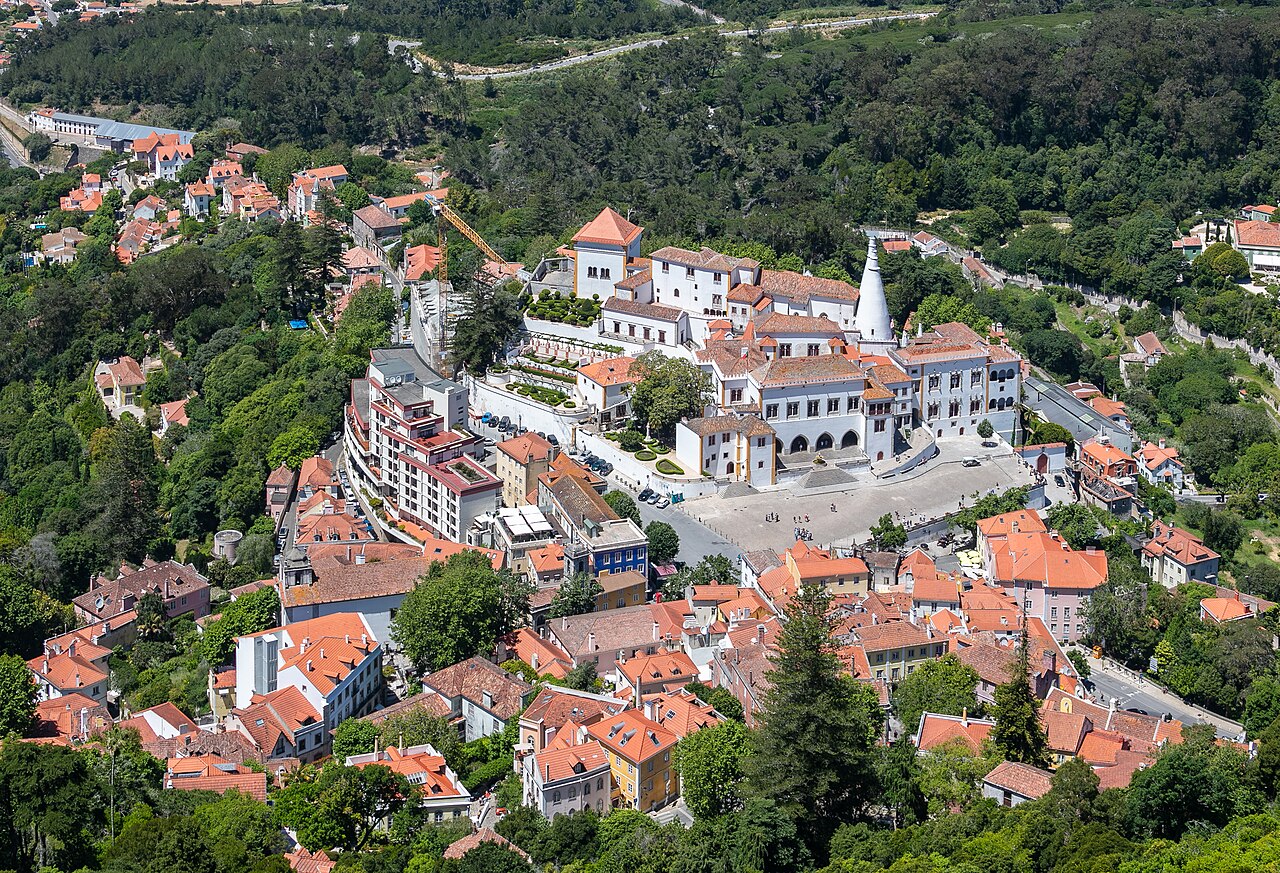

Sintra is best learned on foot and through a camera, provided the route respects its steep ground, changing weather and heavily visited monuments. The lesson lies in reading landscape and composition, not in collecting palace entrances.
Walking with a question
A guided walk becomes interpretation when it gives you a problem to explore: how water, geology, woodland and designed gardens shaped the cultural landscape, or how a route connects town and hill. You should observe evidence, discuss it and use the clues again later in the walk.
A standard sightseeing circuit can be an excellent guided walk. For active learning, choose a route with observation and feedback. Ask for the route length, ascent, surface, pace and the guide’s interpretive focus. Mist, heat and fire restrictions can all change the plan.
Photography beyond the postcard
Sintra’s fast-changing light, dense vegetation and built detail suit assignments in depth, contrast and visual sequence. A taught session should include image review and a second attempt. Monument rules, crowds and limited tripod use may shape what is possible, so the teacher should plan around public space rather than promise unrestricted palace access.
Sintra is outside Lisbon municipality. If a Lisbon-based offering comes here, the transfer time belongs in the schedule. Staying locally gives more freedom to work early or late, when paths are quieter and the light is less harsh.
What we checked
Sources behind the local details
We used these sources for local history, geography and cultural context. Opening times, access and programmes can change, so confirm current details with the venue or host. Sources checked on 19 August 2026.