2.jpg)
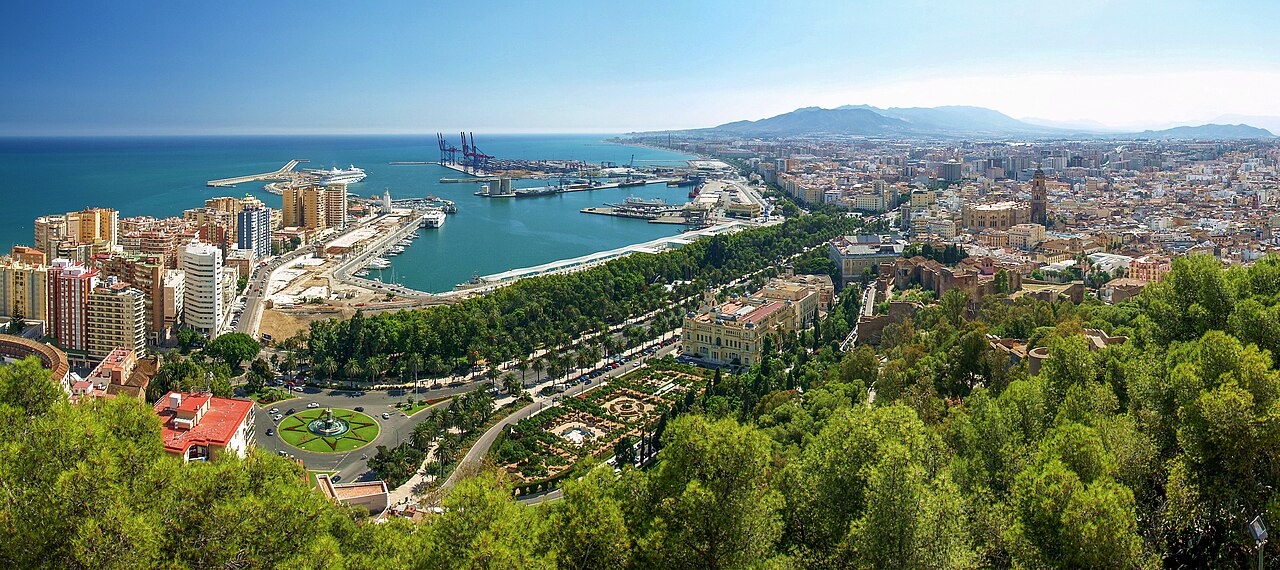
Málaga works best as a Spanish-study base with art and ceramics as carefully chosen companions. The centre is compact, the sea changes the daily rhythm and the city publishes a substantial language-school landscape. None of that removes the need for placed teaching and corrected practice.
Make Spanish the main reason to come
In a Málaga Spanish course, ask about placement, taught hours, class size and the amount of speaking that receives specific correction. A morning course can leave the afternoon open for a manageable city-use task and review.
Sunshine, accommodation and meeting other learners may improve the trip. They are not evidence of language progress. A useful programme shows what you will say, how the teacher responds and what you try again.
Use art institutions for careful looking
Museo Picasso Málaga and Fundación Picasso give the city a strong art context. Admission can support independent study. A current educator-led programme may add discussion, drawing or making, but the exact date, audience and language matter.
Choose one question rather than rushing the collections: how a material changed, how a series developed, or how the city presents an artist’s relationship to place. Guided interpretation — not a class is the honest label when the outcome is better observation rather than studio practice.
Ceramics may offer active making through a current studio or museum workshop. Ask whether you form clay, decorate a prepared object, glaze it or arrange firing. A one-off museum event should not be treated as year-round supply.
Keep Málaga city distinct
The Costa del Sol stretches well beyond Málaga municipality. A pickup in the city does not turn another town’s class into Málaga inventory. Confirm the exact studio and allow for transfer time before planning a second activity.
Summer heat favours morning language, indoor afternoon work and an unhurried evening. For a short break, choose Spanish plus one art or ceramic session. That is enough to let Málaga feel coherent rather than crowded.
What we checked
Sources behind the local details
We used these sources for local history, geography and cultural context. Opening times, access and programmes can change, so confirm current details with the venue or host. Sources checked on 22 August 2026.