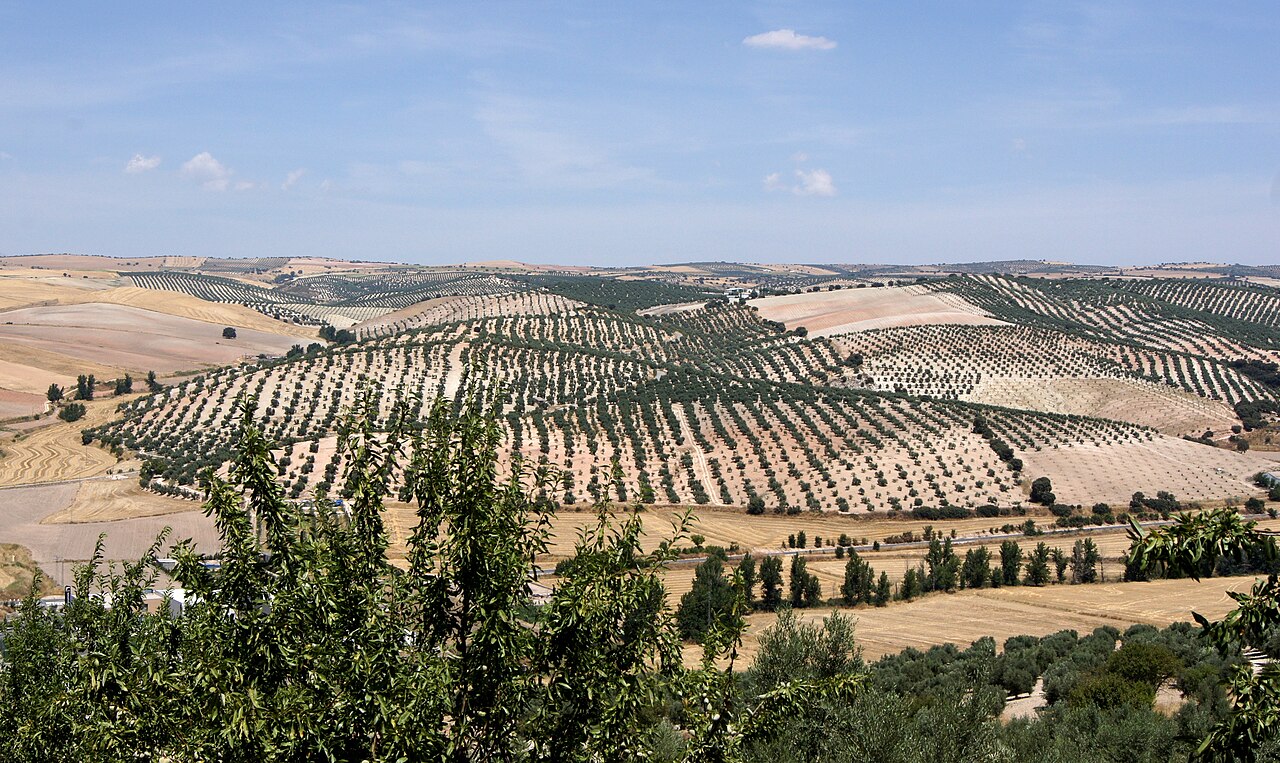

Andalucía can fill a learning trip very quickly: flamenco, Spanish, cooking, ceramics, leather, architecture and landscape all have real roots here. The trick is not to squeeze them into one hurried circuit. Seville, Granada, Córdoba, Cádiz, Málaga and Ronda make different promises.
Choose the city through the practice
Seville is the clearest first choice for flamenco. A useful class names the form, gives you time with compás, palmas, posture or footwork, and lets you repeat after correction. The city also supports Spanish and cooking. Triana’s ceramic history adds excellent context. Choose a taught workshop when you want to handle the material yourself.
Granada combines Spanish study and flamenco context with close interpretation of the Alhambra, Albaicín and Sacromonte. Timed admission, steep approaches and religious or residential boundaries matter. A cave performance can be memorable without becoming a dance lesson.
Córdoba is strongest for careful interpretation and leather. The Mosque–Cathedral remains a place of worship as well as a monument. The patios are cared-for domestic spaces, not neutral scenery. Cordobán and guadamecí give the city a precise leather vocabulary, but a shop visit must not be described as practical tuition.
Cádiz brings the Atlantic into the plan. Spanish, flamenco, carnival interpretation and city-beach surf all have credible relationships. Keep the boundary sharp: El Palmar, Conil, Jerez and Tarifa do not become Cádiz city activities because a product uses the province name.
Málaga offers an easy base for Spanish study and museum-led art context. The Málaga province yoga guide keeps city studio classes separate from a current residential programme in Cómpeta, in the Axarquía. Ronda suits a slower route through bridge, gorge, water and guitar history. Its current teaching supply is thinner, which makes an honest, useful place guide more valuable than a padded list.
Distinguish practice from performance
Flamenco is a living tradition shaped by many communities, with Gitano and Roma contribution central to its development. Use the flamenco palos guide to understand why rhythm, song, guitar and dance cannot be collapsed into one beginner promise.
The same care applies elsewhere. Cooking means preparing meaningful stages and responding to feedback. Walking can combine route skills with landscape interpretation. For riding, ask how the horse is chosen for you and how the coach supports beginners. Good sessions also explain their safety and welfare arrangements.
Plan for distance and heat
Andalucía is larger than a neat city triangle suggests. Seville to Granada is a real travel day once stations, check-in and local transfers are counted. Ronda, Cádiz and Córdoba each pull the route in another direction. For a week, choose one main base and at most one second city that changes what you can learn.
Summer heat moves walking and location work into early morning or evening. Spring and autumn are easier for mixed indoor and outdoor plans. Holy Week, Feria and other major events can change access and crowds; they are living religious or social occasions, not workshops arranged for visitors.
Start with one practice, then let Andalucía show you the right city for it.
What we checked
Sources behind the local details
We used these sources for local history, geography and cultural context. Opening times, access and programmes can change, so confirm current details with the venue or host. Sources checked on 22 August 2026.