Skip to content
GGoLearnToTravel home with a skill

explainer

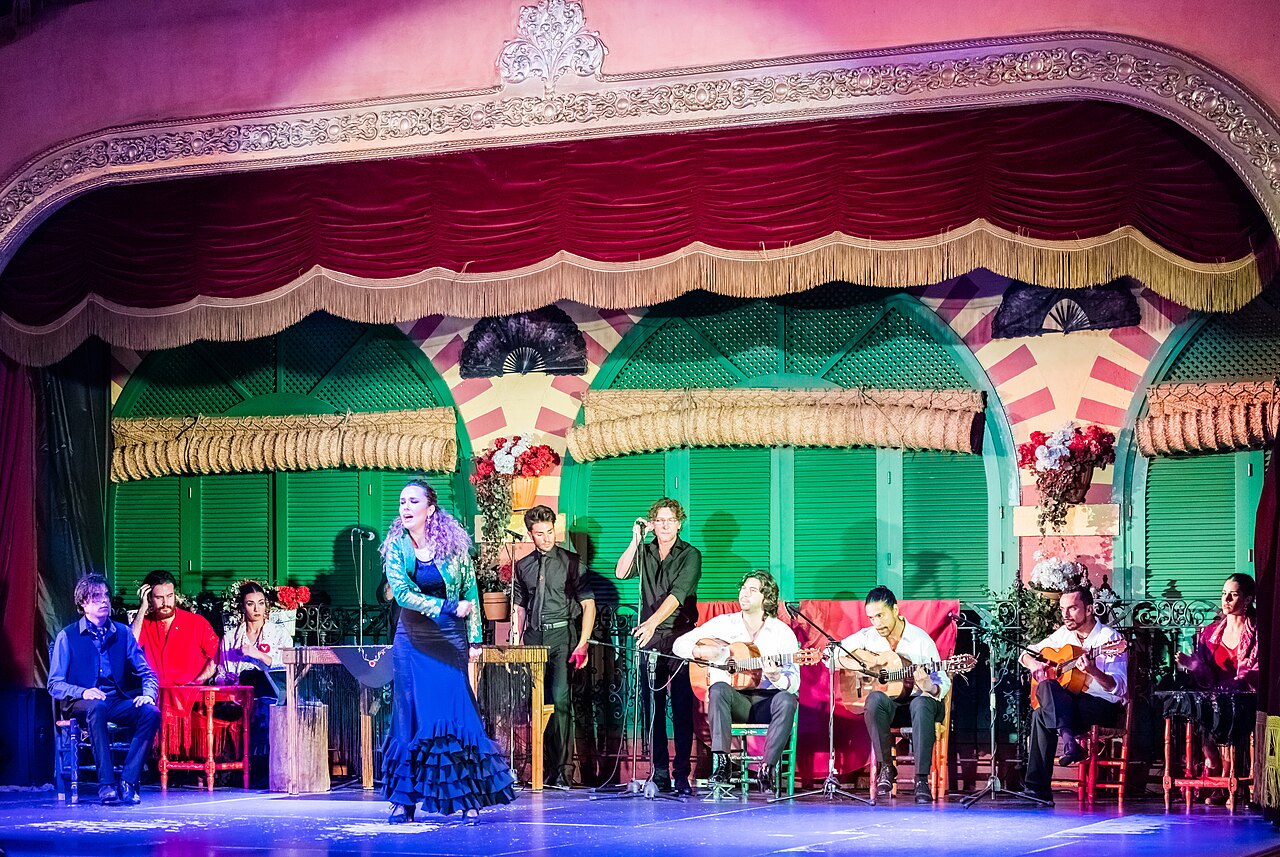
Flamenco palos

Compare flamenco palos by learner outcome, local context, practical depth and the evidence to check before you enquire.

A flamenco palo is a form or family of forms, not a single dance move. UNESCO Intangible Cultural Heritage No one-word English mood label fully defines a palo. UNESCO Intangible Cultural Heritage

GoLearnTo’s working test is deliberately practical: identify the learner’s task, the teacher or practitioner, the chance to receive correction, and the outcome that can honestly survive the journey home.

Your decision map

Question Evidence-led starting point
What is a flamenco palo? A flamenco palo is a form or family of forms, not a single dance move.
Why must cante, baile and toque stay together? Flamenco brings cante, baile and toque into relationship rather than reducing the art to dance.
How does compás organise—not flatten—the forms? Compás is central but does not by itself distinguish every related form.
How do core palos differ in practice? Soleá is often taught slowly, yet slow tempo does not make a complete soleá dance easy.
What should a beginner listen and clap for? Accent patterns and phrase landings matter more than reciting twelve equal numbers.

What is a flamenco palo?

Keep Flamenco palos specific: the place, practitioner and learner task should all be visible. A flamenco palo is a form or family of forms, not a single dance move. UNESCO Intangible Cultural Heritage No one-word English mood label fully defines a palo.

That changes what you should ask before committing. Compás is central but does not by itself distinguish every related form.

Before enquiring, ask for evidence that closes the remaining gap. Melody, harmony, lyric pattern, tempo, geography and performance convention can also matter. Flamenco brings cante, baile and toque into relationship rather than reducing the art to dance. UNESCO identifies Andalusia as flamenco’s heartland while also naming roots in Murcia and Extremadura. UNESCO Intangible Cultural Heritage

Why must cante, baile and toque stay together?

Why must cante, baile and toque stay together matters in Flamenco palos because offers with similar labels can give the learner very different jobs. Flamenco brings cante, baile and toque into relationship rather than reducing the art to dance. UNESCO Intangible Cultural Heritage UNESCO identifies Andalusia as flamenco’s heartland while also naming roots in Murcia and Extremadura.

The useful distinction is between a label and an evidenced teaching format. UNESCO identifies the Gitano community as essential to flamenco’s development.

Keep the limitation visible. That evidence rejects both a tourist-only Spanish stereotype and a single-community erasure. The historical formation of flamenco should not be reduced to one neat fusion story. Origin claims for individual palos vary and should be attributed rather than universalised. UNESCO Intangible Cultural Heritage

How does compás organise—not flatten—the forms?

Use one practical test for Flamenco palos: can the host explain what you will try, how feedback works and what remains after the session? Compás is central but does not by itself distinguish every related form. UNESCO Intangible Cultural Heritage Its curriculum asks learners to listen, mark compás, recognise starts and endings and accompany cante or guitar.

This is where local context becomes part of the lesson instead of background scenery. Cante phrasing can alter how performers experience and answer the compás.

Treat current details as current only when the direct source and check date agree. Fandangos include local and personalised forms; one generic fandango entry erases variation. Aliore describes a five-day package and an optional individual Compás y Palmas course. The official Andalusian curriculum also distinguishes four-beat tangos and tientos. UNESCO Intangible Cultural Heritage

How do core palos differ in practice?

A useful Flamenco palos guide should make this choice clearer before you contact anyone. Soleá is often taught slowly, yet slow tempo does not make a complete soleá dance easy. Instituto Andaluz del Flamenco Bulerías are fast and socially flexible, but festive does not mean technically simple.

Together, those points set a useful boundary. Alegrías belong to the cantiñas family and should not be reduced to happy flamenco.

Turn that into two concrete enquiry questions. Tangos offer a four-beat entry point but are not the same as Argentine tango. Sevillanas are closely associated with Andalusian social dance and require careful taxonomy rather than automatic palo labelling. Fandangos include local and personalised forms; one generic fandango entry erases variation. UNESCO Intangible Cultural Heritage

What should a beginner listen and clap for?

The postcard is the easy part. The useful comparison starts with what happens between a first attempt and the next one. Accent patterns and phrase landings matter more than reciting twelve equal numbers. Instituto Andaluz del Flamenco A beginner may start with pulse, strong and weak beats, silence and one short palmas pattern.

For travellers, the consequence is practical. An escobilla foregrounds footwork but is not required in every short beginner exercise.

The next step is to verify the moving parts. Taller Flamenco publishes September 2026 beginner weeks for alegrías, fandangos, tangos and soleá. Estudio Flamenco publishes annual disciplines but the exact short visitor output is not established here. Palmas are musical accompaniment and communication, not decorative clapping. Instituto Andaluz del Flamenco

How do llamada, remate, cierre, falseta and escobilla work?

Keep Flamenco palos specific: the place, practitioner and learner task should all be visible. Baile responds to cante and guitar through marking, calls, closures and footwork. Instituto Andaluz del Flamenco A llamada is a signal within ensemble conversation rather than a self-contained step.

That changes what you should ask before committing. A remate or cierre provides punctuation but its use varies by context and teacher.

Before enquiring, ask for evidence that closes the remaining gap. A falseta is a guitar passage and should not be described as a dance solo. An escobilla foregrounds footwork but is not required in every short beginner exercise. Geographic labels may point to repertoire, lineage or style rather than a provable single birthplace. UNESCO Intangible Cultural Heritage

Where do geography, community and origin claims need care?

Where do geography, community and origin claims need care matters in Flamenco palos because offers with similar labels can give the learner very different jobs. UNESCO identifies Andalusia as flamenco’s heartland while also naming roots in Murcia and Extremadura. UNESCO Intangible Cultural Heritage UNESCO identifies the Gitano community as essential to flamenco’s development.

The useful distinction is between a label and an evidenced teaching format. That evidence rejects both a tourist-only Spanish stereotype and a single-community erasure.

Keep the limitation visible. The historical formation of flamenco should not be reduced to one neat fusion story. Origin claims for individual palos vary and should be attributed rather than universalised. Festival programmes are current cultural evidence but are not evergreen product inventory. Taller Flamenco

Use one practical test for Flamenco palos: can the host explain what you will try, how feedback works and what remains after the session? A one-hour visitor class should normally teach one bounded rhythm or phrase rather than promise mastery of several palos. Bienal de Flamenco de Sevilla A credible class names the teacher, discipline, palo, level, duration and active practice time.

This is where local context becomes part of the lesson instead of background scenery. Recorded music can support practice but does not replace feedback from a qualified teacher.

Treat current details as current only when the direct source and check date agree. Flamenco shoes and hard footwork can load feet, ankles, knees and hips. Providers should state floor type, shoe policy, warm-up, impact alternatives and relevant mobility limits. Live or amplified music can create hearing and sensory-access questions. Festival de Jerez

Which 2026 schools and events are HOLD or NOT A CLASS?

A useful Flamenco palos guide should make this choice clearer before you contact anyone. Taller Flamenco publishes September 2026 beginner weeks for alegrías, fandangos, tangos and soleá. Festival de Jerez

Use this as a verification list, not as a promise that an unnamed operator has passed:

  • It publishes two daily hours, Monday to Friday, and a maximum of seven students for that course. Taller Flamenco
  • Taller Flamenco remains HOLD pending current instructor confirmation, floor, footwear, injury, accessibility, recording and listing permission checks. Taller Flamenco
  • Estudio Flamenco publishes annual disciplines but the exact short visitor output is not established here. Taller Flamenco
  • Estudio Flamenco remains HOLD pending level, palo, timetable, named teacher, active minutes and permission. Taller Flamenco
  • Aliore describes a five-day package and an optional individual Compás y Palmas course. Taller Flamenco

Turn that into two concrete enquiry questions. Estudio Flamenco publishes annual disciplines but the exact short visitor output is not established here. Estudio Flamenco remains HOLD pending level, palo, timetable, named teacher, active minutes and permission. Aliore describes a five-day package and an optional individual Compás y Palmas course. Taller Flamenco

How should a learner choose a real class?

The postcard is the easy part. The useful comparison starts with what happens between a first attempt and the next one. A one-hour visitor class should normally teach one bounded rhythm or phrase rather than promise mastery of several palos. Bienal de Flamenco de Sevilla A credible class names the teacher, discipline, palo, level, duration and active practice time.

For travellers, the consequence is practical. Recorded music can support practice but does not replace feedback from a qualified teacher.

The next step is to verify the moving parts. Flamenco shoes and hard footwork can load feet, ankles, knees and hips. Providers should state floor type, shoe policy, warm-up, impact alternatives and relevant mobility limits. Live or amplified music can create hearing and sensory-access questions. Festival de Jerez

Continue your route

Sources and review note

This guide was reviewed on 13 August 2026. Stable entity and historical claims use official, institutional or professional sources where available; current provider pages are treated as discovery or first-party evidence, not independent endorsement. Prices, schedules, teachers, access, conditions and availability still require a fresh direct check.

Enquire with the useful details

Tell GoLearnTo what you want to practise, your dates, starting level, preferred language and any access or dietary needs. An enquiry asks for information or an introduction; it does not confirm a booking, availability, verification, safety or suitability.

Keep exploring

Related GoLearnTo field guides