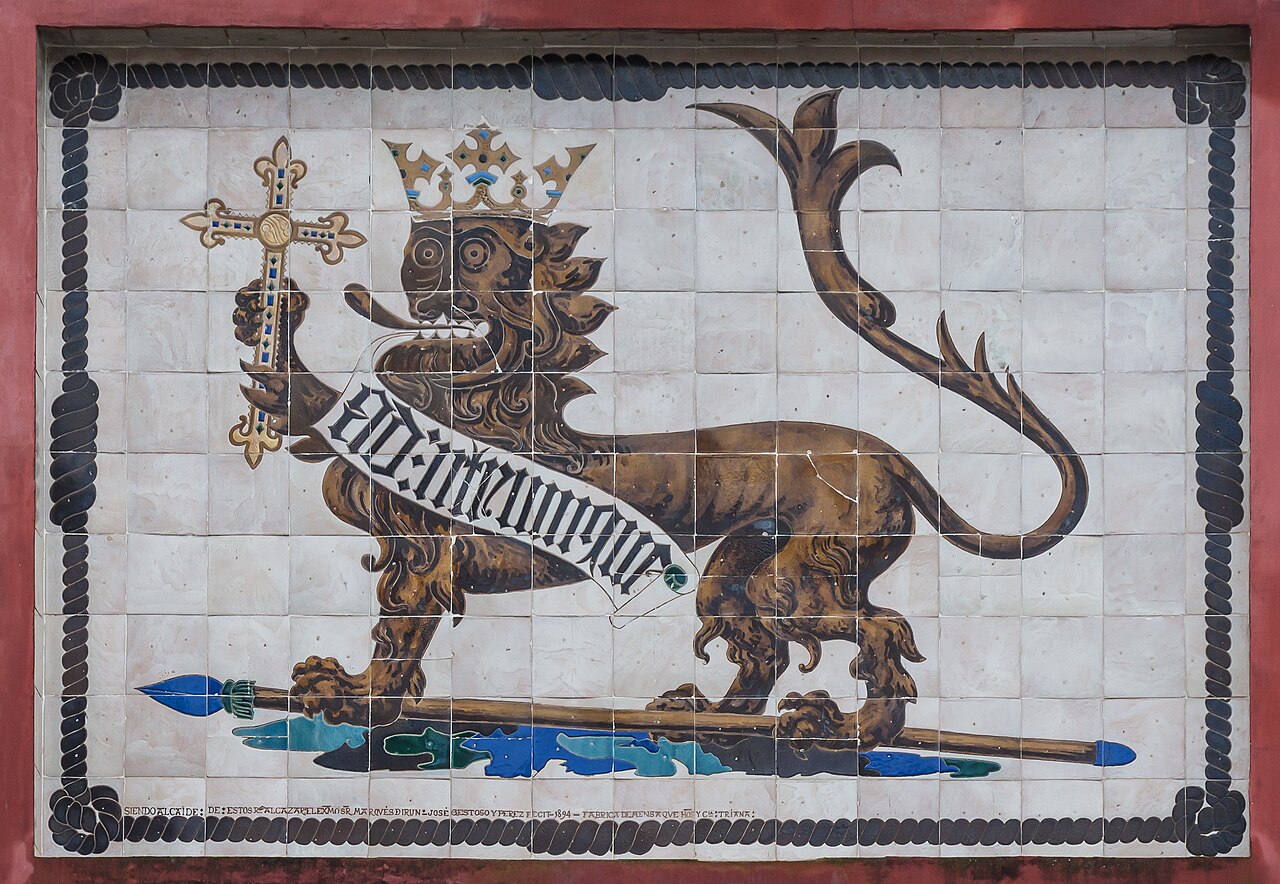
Spanish tilework is not one timeless national style. UNESCO Intangible Cultural Heritage Seville, Toledo, Talavera, Valencia, Manises, Paterna and Granada carry distinct ceramic histories. UNESCO Intangible Cultural Heritage
GoLearnTo’s working test is deliberately practical: identify the learner’s task, the teacher or practitioner, the chance to receive correction, and the outcome that can honestly survive the journey home.
Your decision map
| Question | Evidence-led starting point |
|---|---|
| Why is there no single “Spanish tile” style? | Spanish tilework is not one timeless national style. |
| What does azulejo mean—and what myths should go? | Azulejo is a broad Iberian ceramic-tile term and does not mean every tile is blue. |
| How do cuerda seca, arista, painted tile and alicatado differ? | Cuerda seca, arista, painted flat tile and alicatado are different processes. |
| What belongs to Seville and Triana? | The Museo del Greco documents cuerda seca in Spain from the caliphal period and major later production in Toledo. |
| What makes Talavera a living process? | UNESCO’s Talavera element concerns making processes in two Spanish and two Mexican communities. |
Why is there no single “Spanish tile” style?
Why is there no single “Spanish tile” style matters in Spanish tilework because offers with similar labels can give the learner very different jobs. Spanish tilework is not one timeless national style. UNESCO Intangible Cultural Heritage Seville, Toledo, Talavera, Valencia, Manises, Paterna and Granada carry distinct ceramic histories.
That changes what you should ask before committing. Azulejo is a broad Iberian ceramic-tile term and does not mean every tile is blue.
Before enquiring, ask for evidence that closes the remaining gap. The common blue-colour etymology is unreliable and should not be repeated as fact. Cuerda seca, arista, painted flat tile and alicatado are different processes. Painting a pre-made bisque tile is a valid decoration workshop but not full tile manufacture. Museo Nacional de Cerámica González Martí
What does azulejo mean—and what myths should go?
Use one practical test for Spanish tilework: can the host explain what you will try, how feedback works and what remains after the session? Azulejo is a broad Iberian ceramic-tile term and does not mean every tile is blue. UNESCO Intangible Cultural Heritage The common blue-colour etymology is unreliable and should not be repeated as fact.
The useful distinction is between a label and an evidenced teaching format. Cuerda seca, arista, painted flat tile and alicatado are different processes.
Keep the limitation visible. Cuerda seca separates coloured glazes with a greasy boundary often associated with manganese. The firing leaves coloured glossy areas divided by darker matte lines. Arista uses raised moulded boundaries and supported more repeatable production. Spanish Ministry of Culture heritage thesaurus
How do cuerda seca, arista, painted tile and alicatado differ?
A useful Spanish tilework guide should make this choice clearer before you contact anyone. Cuerda seca, arista, painted flat tile and alicatado are different processes. UNESCO Intangible Cultural Heritage Cuerda seca separates coloured glazes with a greasy boundary often associated with manganese.
This is where local context becomes part of the lesson instead of background scenery. The firing leaves coloured glossy areas divided by darker matte lines.
Treat current details as current only when the direct source and check date agree. Arista uses raised moulded boundaries and supported more repeatable production. Painted flat tiles permit brushwork over a prepared surface without moulded colour cells. Alicatado is an assembly of cut pieces rather than painting a square tile. Spanish Ministry of Culture heritage thesaurus
What belongs to Seville and Triana?
The postcard is the easy part. The useful comparison starts with what happens between a first attempt and the next one. The Museo del Greco documents cuerda seca in Spain from the caliphal period and major later production in Toledo. ICAS — Ayuntamiento de Sevilla Triana’s tile history includes workshops, kilns, glaze mills, industrial production and later heritage interpretation.
Together, those points set a useful boundary. The arrival of painted Renaissance tile in Seville did not erase older techniques immediately.
Turn that into two concrete enquiry questions. It also documents Seville and Manises as important production centres. Centro Cerámica Triana occupies the former Cerámica Santa Ana factory complex. Manises and Paterna also have important ceramic traditions that should not be folded into Seville. Museo Nacional de Cerámica González Martí
What makes Talavera a living process?
Keep Spanish tilework specific: the place, practitioner and learner task should all be visible. UNESCO’s Talavera element concerns making processes in two Spanish and two Mexican communities. UNESCO Intangible Cultural Heritage It does not make all colourful hand-painted tiles anywhere in Spain Talavera.
For travellers, the consequence is practical. Talavera process knowledge covers raw-material preparation, forming, decoration, enamel, pigments and firing.
The next step is to verify the moving parts. Some artisans complete the full process while others specialise in particular stages. Workshop identity is visible in details of form, decoration, colour and enamel. The tradition is transmitted through workshops and families rather than a single frozen pattern book. Museo Nacional de Cerámica González Martí
Where do Valencia, Manises, Paterna and Granada fit?
Where do Valencia, Manises, Paterna and Granada fit matters in Spanish tilework because offers with similar labels can give the learner very different jobs. Valencian tile panels can use pouncing to transfer an outline before hand painting. Museo Nacional de Cerámica González Martí Manises and Paterna also have important ceramic traditions that should not be folded into Seville.
That changes what you should ask before committing. Granada and Fajalauza require separate context from Triana and Talavera.
Before enquiring, ask for evidence that closes the remaining gap. Seville, Toledo, Talavera, Valencia, Manises, Paterna and Granada carry distinct ceramic histories. Centro Cerámica Triana and museum displays are NOT A CLASS unless a scheduled teaching activity is separately verified. A museum visit explains context but is NOT A CLASS without participant practice and feedback. UNESCO Intangible Cultural Heritage
What does a participant actually make?
Use one practical test for Spanish tilework: can the host explain what you will try, how feedback works and what remains after the session? A workshop should state whether participants receive raw, leather-hard, dry or bisque material. Museo Nacional de Cerámica González Martí Painting a pre-made bisque tile is a valid decoration workshop but not full tile manufacture.
The useful distinction is between a label and an evidenced teaching format. Cold paint on a souvenir blank is not equivalent to ceramic glaze firing.
Keep the limitation visible. The provider should identify underglaze, glaze, enamel, pigment or non-fired paint accurately. A fired output may require later kiln scheduling, cooling, pickup or shipping. Same-day take-home claims need confirmation that the object was already fired or will not be fired. UK Health and Safety Executive
What silica, glaze, kiln and food-contact controls matter?
A useful Spanish tilework guide should make this choice clearer before you contact anyone. Kiln loading, firing and unloading should remain with trained staff. UK Health and Safety Executive Dry clay and glaze powders can generate respirable crystalline silica exposure.
This is where local context becomes part of the lesson instead of background scenery. Visitor workshops should use prepared wet materials and wet-cleaning controls rather than sweeping dust.
Treat current details as current only when the direct source and check date agree. Material labels, ventilation and controlled storage matter for glazes and colour preparations. Glazes may involve hazardous metals or other ingredients that require professional control. Spain regulates lead and cadmium migration for ceramic objects intended to contact food. UK Health and Safety Executive
Which workshops are HOLD or NOT A CLASS?
The postcard is the easy part. The useful comparison starts with what happens between a first attempt and the next one. BarroAzul published a 2.5-hour English workshop in April 2026 with two painted tiles. Ayuntamiento de Talavera de la Reina
Use this as a verification list, not as a promise that an unnamed operator has passed:
- BarroAzul remains HOLD pending named teacher, exact decoration medium, firing, delivery, group cap, accessibility, silica/glaze controls and permission. Ayuntamiento de Talavera de la Reina
- Cerámica 1920 publishes a majolica course but remains HOLD pending current dates, teacher, stages, firing, safety, output and permission. Ayuntamiento de Talavera de la Reina
- Alaría hosted 2026 municipal tile-decoration workshops and is a direct-provider lead. Ayuntamiento de Talavera de la Reina
- Alaría remains HOLD pending a permanent visitor product, named instructor, active minutes, materials, firing, access and permission. Ayuntamiento de Talavera de la Reina
- Marketplace mosaic listings remain discovery-only until the direct host and exact technique are resolved. Talavera tourism office
Turn that into two concrete enquiry questions. Alaría hosted 2026 municipal tile-decoration workshops and is a direct-provider lead. Alaría remains HOLD pending a permanent visitor product, named instructor, active minutes, materials, firing, access and permission. Marketplace mosaic listings remain discovery-only until the direct host and exact technique are resolved. Talavera tourism office
How should a learner choose a real tilework class?
Keep Spanish tilework specific: the place, practitioner and learner task should all be visible. A workshop should state whether participants receive raw, leather-hard, dry or bisque material. Museo Nacional de Cerámica González Martí Painting a pre-made bisque tile is a valid decoration workshop but not full tile manufacture.
For travellers, the consequence is practical. Cold paint on a souvenir blank is not equivalent to ceramic glaze firing.
The next step is to verify the moving parts. The provider should identify underglaze, glaze, enamel, pigment or non-fired paint accurately. A fired output may require later kiln scheduling, cooling, pickup or shipping. Same-day take-home claims need confirmation that the object was already fired or will not be fired. UK Health and Safety Executive
Continue your route
Sources and review note
This guide was reviewed on 13 August 2026. Stable entity and historical claims use official, institutional or professional sources where available; current provider pages are treated as discovery or first-party evidence, not independent endorsement. Prices, schedules, teachers, access, conditions and availability still require a fresh direct check.
- UNESCO Intangible Cultural Heritage: Talavera making processes
- Spanish Ministry of Culture heritage thesaurus: Cuerda seca
- ICAS — Ayuntamiento de Sevilla: Centro Cerámica Triana
- Ayuntamiento de Sevilla: Triana Ceramics Centre heritage record
- Ayuntamiento de Talavera de la Reina: Hola Cerámica 2026
- Ayuntamiento de Talavera de la Reina: Tile decoration workshop at Alaría
- UK Health and Safety Executive: Ceramics silica controls
- UK Health and Safety Executive: Ceramics health and safety
Enquire with the useful details
Tell GoLearnTo what you want to practise, your dates, starting level, preferred language and any access or dietary needs. An enquiry asks for information or an introduction; it does not confirm a booking, availability, verification, safety or suitability.