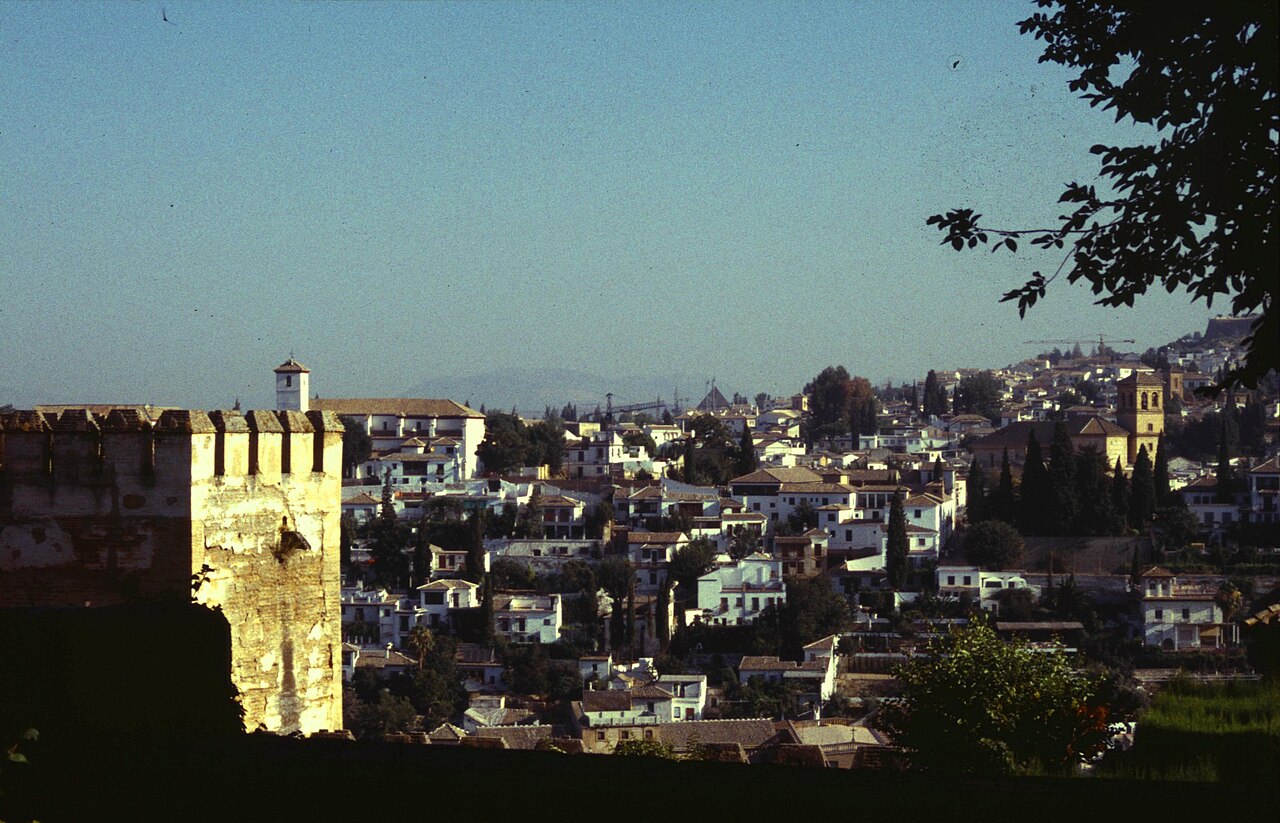

Granada has three compelling learning choices: Spanish study, flamenco and close interpretation of the Alhambra, Albaicín and Sacromonte. This guide helps you compare their different promises before choosing.
Study Spanish with a city-use plan
Granada has current language-course evidence and a compact centre that can support daily practice. A serious course still needs placement, taught hours, corrected speaking and a clear level goal. Cultural activities help when the teacher prepares a task and reviews it afterwards.
The city’s monuments and neighbourhoods should not become decorative “immersion”. Use one planned exchange, note what you could not express and bring that gap back to class.
Keep flamenco lesson and performance apart
Sacromonte gives Granada an important flamenco setting. Cave venues, performance history and neighbourhood life deserve accurate, respectful explanation. A ticket lets you watch. A lesson gives you a named task—compás, palmas, posture, movement, song or guitar—plus correction and another attempt.
The flamenco palos guide will help you choose the part of the form that actually interests you. Before booking flamenco tuition, look for a named teacher and a participatory format rather than a performance ticket.
Read the Alhambra without flattening its history
The Alhambra, Generalife and Albaicín form a complex World Heritage relationship. A skilled guide can help you compare water, structure, surface, patronage and later alteration. Guided interpretation — not a class is the accurate promise.
Your guide should name each period and patron instead of compressing centuries of history into “Moorish style”. Timed entry, route rules, steep approaches and crowding shape what can be studied well. One palace sequence followed carefully is more useful than a hurried sweep through every viewpoint.
Sacromonte and Albaicín are lived neighbourhoods. Keep groups small, respect private thresholds and ask before making residents the subject of close photographs.
Give the hills and heat room
Granada’s map hides gradients. Allow time between the centre, Albaicín, Sacromonte and Alhambra approaches. Summer favours early heritage routes and indoor afternoon study; winter can be cold after sunset.
For a short trip, choose Spanish, flamenco or architectural interpretation as the main purpose. Add a second only when the timetable leaves enough energy to practise properly.
What we checked
Sources behind the local details
We used these sources for local history, geography and cultural context. Opening times, access and programmes can change, so confirm current details with the venue or host. Sources checked on 22 August 2026.