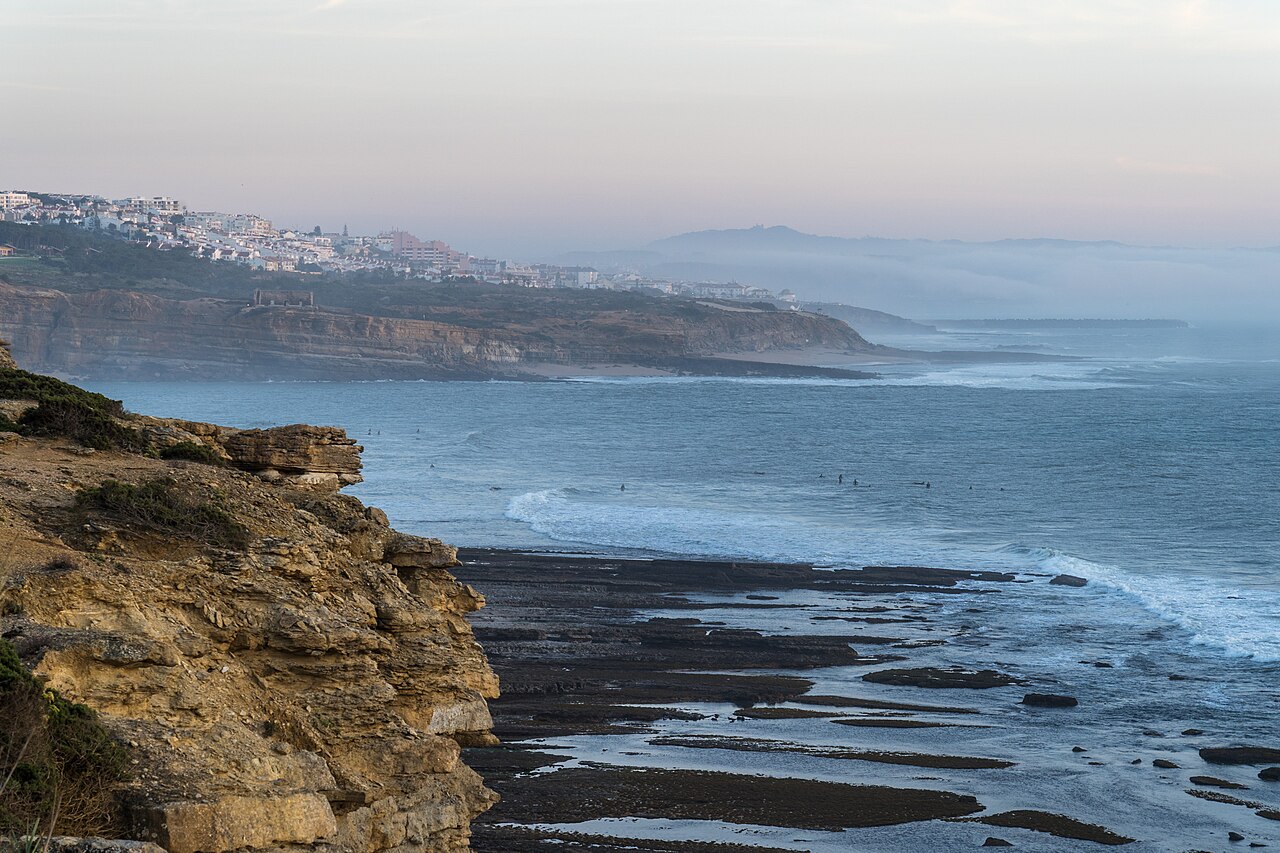

Portugal has several strong surf bases, but no coast is suitable for every learner every day. Ericeira and Peniche have the clearest mainland coaching cases; Sagres and the western Algarve add orientation choices; Porto da Cruz gives Madeira a distinct island setting.
Let the coach choose the beach
A real lesson starts with conditions and level. The learner practises a defined drill, rides under supervision and uses feedback on the next attempt. Ask how levels are separated, how the beach is chosen and what proportion of the session is water time.
A camp price may include accommodation, food, equipment, transport and social activities. Compare coached sessions separately. “Unlimited surf” often means board access, not unlimited instruction.
Compare the teaching, not the camp mood
Start with coached time: the number and length of sessions, instructor ratio, level grouping and any video review. Beach choice should remain a live decision by the school, with a useful alternative when wind, swell or tide changes.
The Portuguese Surfing Federation publishes school regulations and a school register. That record supports a check but does not confirm the instructor or lesson for your dates.
The famous wave is rarely the lesson
Reserve status, competitions and big-wave photographs add context. They do not prove beginner safety. Supertubos and Praia do Norte should never be used as shorthand for a novice session.
Choose Ericeira for a surf-town rhythm, Peniche for peninsula options, Sagres for the far southwest, or Porto da Cruz for Madeira. Keep at least one movable day for wind and swell.
No camp is listed here merely because it sells accommodation near a beach. A provider needs a current, level-matched coaching offer before it appears on GoLearnTo.
What we checked
Sources behind the local details
We used these sources for local history, geography and cultural context. Opening times, access and programmes can change, so confirm current details with the venue or host. Sources checked on 19 August 2026.