.jpg)
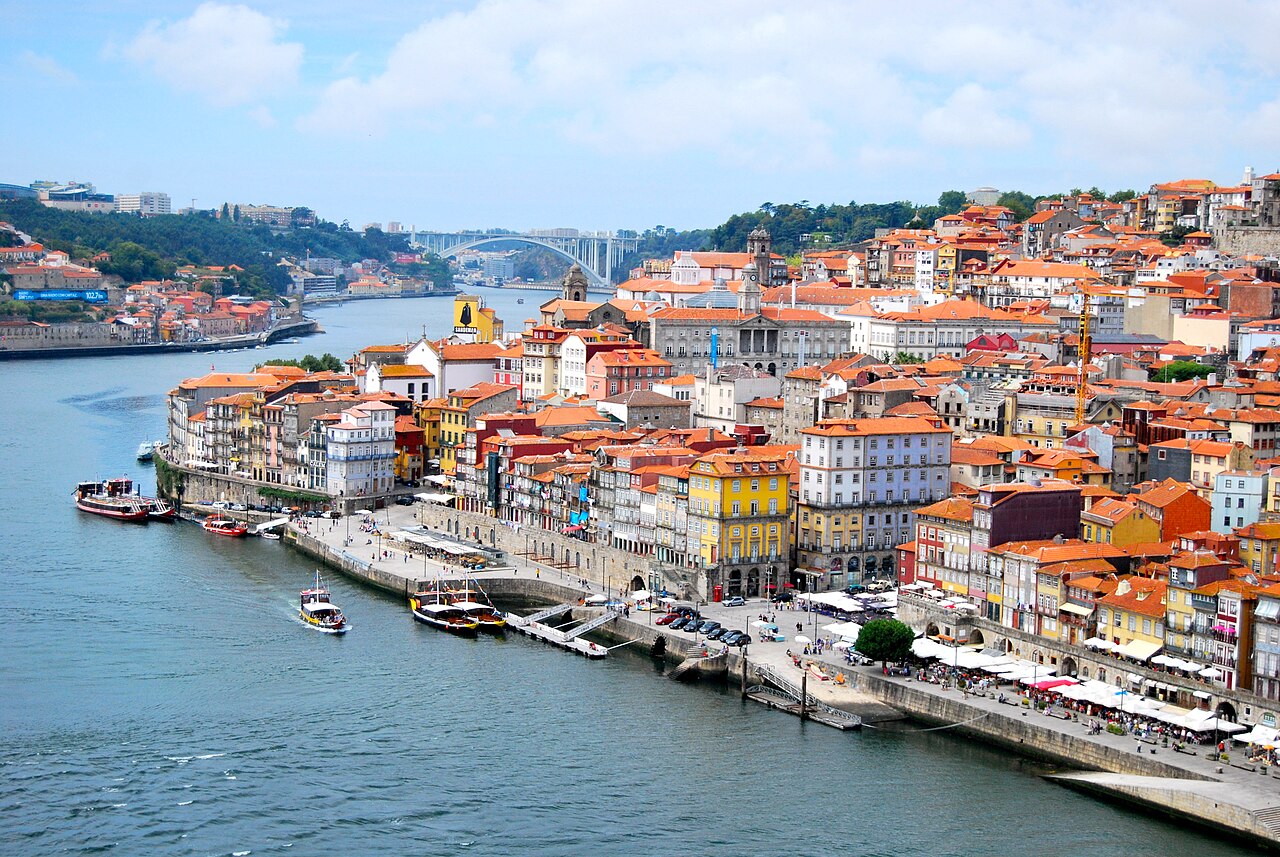
Porto supports serious European Portuguese study with an immediate everyday setting. The city’s northern speech is useful listening context, not a stereotype to imitate.
Choose the course by the task you want to handle, not only by a broad beginner or intermediate label. The Camões framework runs from A1 to C2 and describes what a learner can do in real contexts. For a short stay, that might mean ordering clearly, asking a follow-up question, understanding a simple direction or introducing your work. A placement check should connect your existing knowledge with a realistic next outcome.
A lesson you can picture
The teacher should introduce a practical exchange and listen to your first attempt. Specific correction on pronunciation, word choice or grammar should lead to another attempt. Within the first 60–90 minutes, you should have language you can test outside class, plus a way to review what happened when a real conversation moved faster than the exercise.
Ask how many hours are genuinely taught, whether you can join the named group for a short stay and how speaking time is shared in a larger class.
Use Porto without turning it into theatre
A market, café or street task can extend the lesson when it has a purpose and later review. Look for preparation and feedback whenever a school calls an activity “immersion.” Simply sending learners out to buy something is practice, not teaching. Returning to compare the words you used, what you understood and what you would try next turns Porto into part of the lesson. Choose a school address that works with the city’s slopes and river crossings, especially for an intensive week.
What we checked
Sources behind the local details
We used these sources for local history, geography and cultural context. Opening times, access and programmes can change, so confirm current details with the venue or host. Sources checked on 21 August 2026.