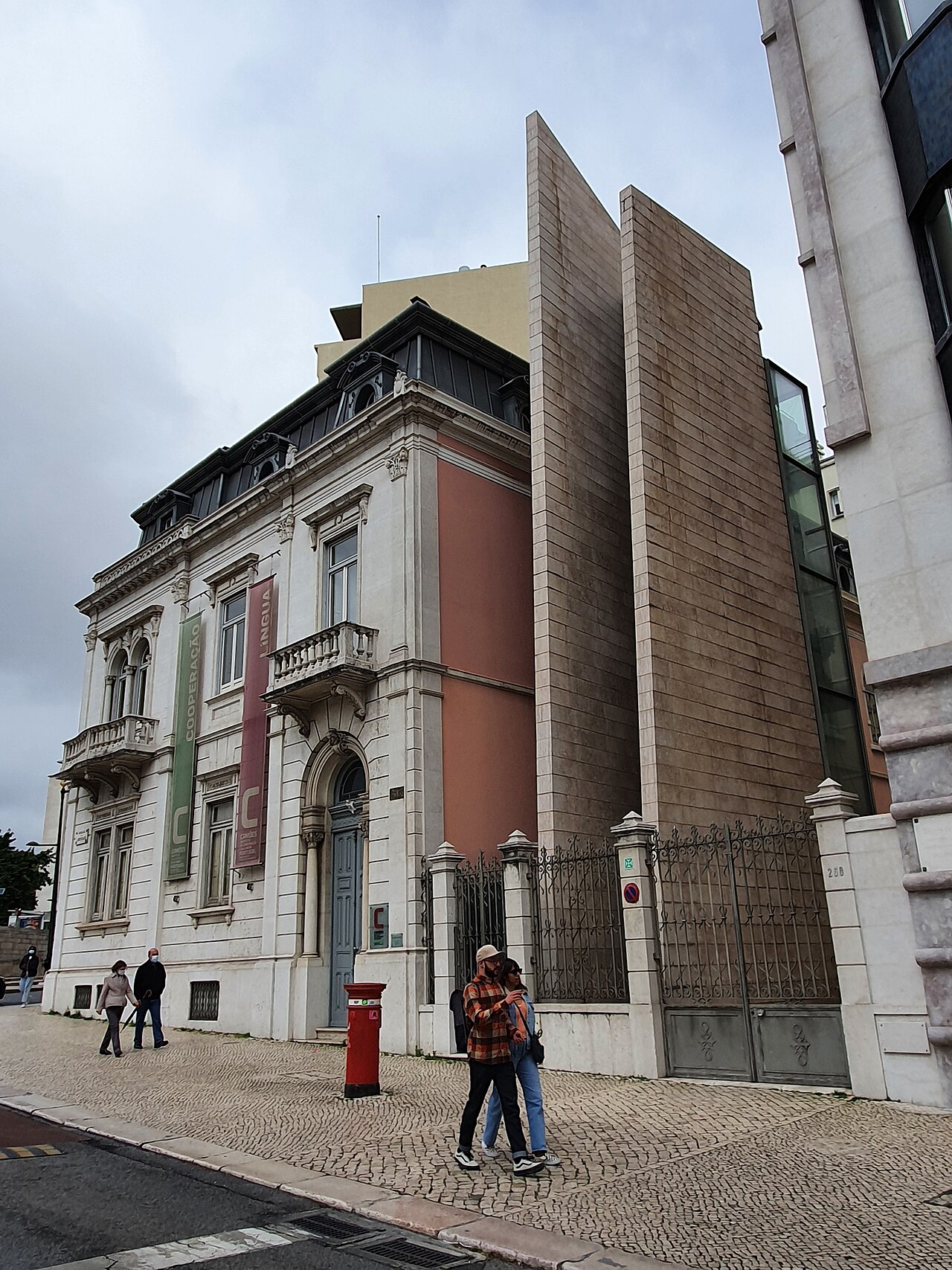

Lisbon is a practical place to study European Portuguese because formal teaching and everyday use sit close together. The city adds opportunities to test the language; it does not replace a teacher.
Picture the first lesson
A useful session establishes your level, gives you a short speaking or listening task, corrects a manageable point, and lets you try again. By 60–90 minutes you should be able to use one exchange more confidently than when you arrived. Ask whether advertised hours are taught hours, how classes are divided by level and how much each learner speaks.
“Immersion” should mean supported use beyond the classroom, not confusion presented as a method. A teacher might prepare you for a café, market or museum exchange and review what happened later.
Keep European Portuguese explicit
Portuguese varieties are related but not interchangeable teaching products. Materials, pronunciation model and assessment should be European Portuguese when that is what the page promises. Local Lisbon speech can enrich listening without becoming an invented accent lesson.
City hills and transport make a school’s exact address important. Choose accommodation that protects attendance, then add one daily practice task rather than crossing Lisbon for a staged cultural outing.
What we checked
Sources behind the local details
We used these sources for local history, geography and cultural context. Opening times, access and programmes can change, so confirm current details with the venue or host. Sources checked on 19 August 2026.