%20(28649591437).jpg)
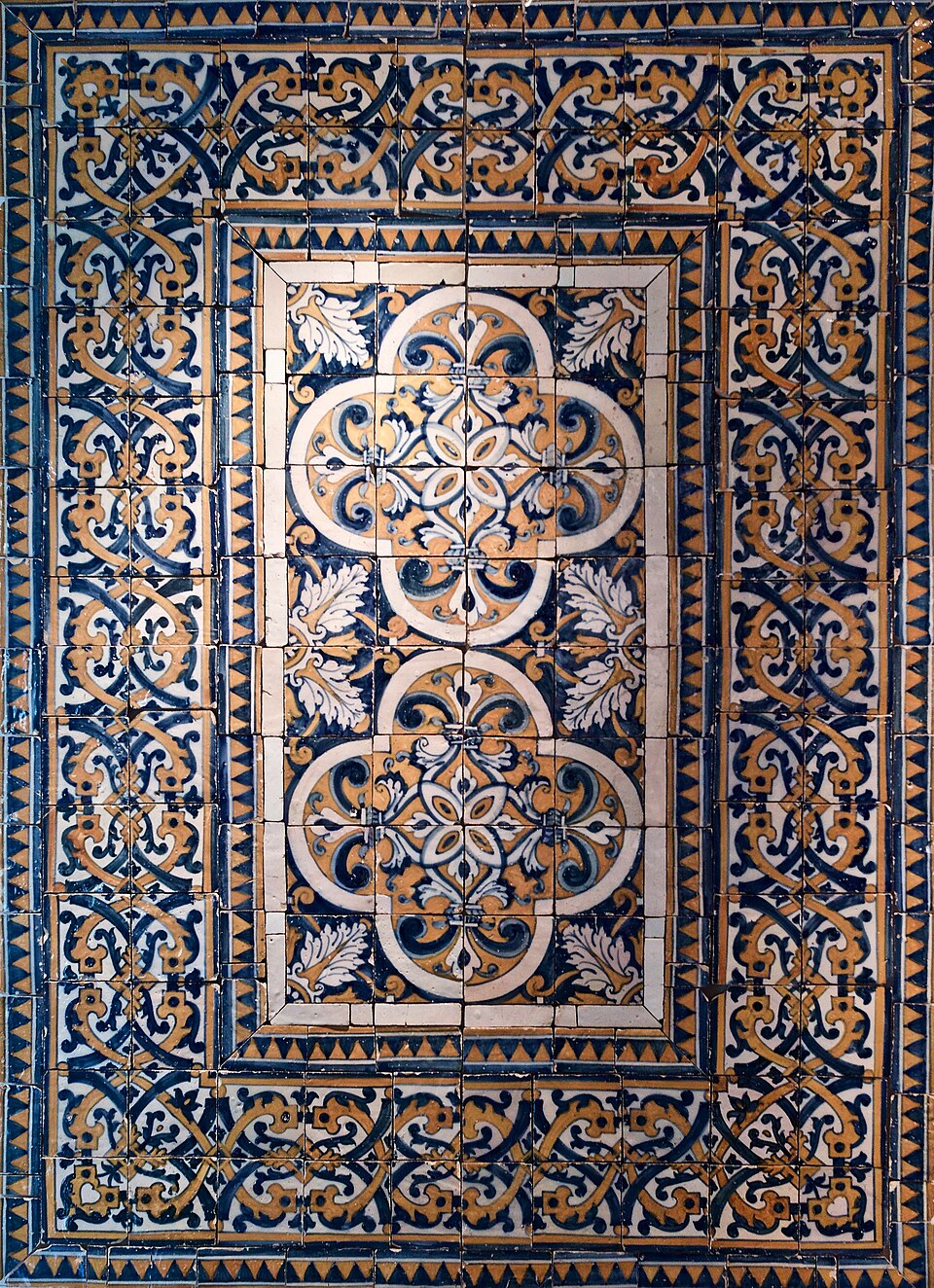
An azulejo is a ceramic tile, commonly glazed, used across Portuguese architecture and visual culture. The word does not mean only a blue-and-white picture tile, and it should not be translated simply as “mosaic.”
Azulejos can form repeated geometric surfaces, figurative panels, signs and exterior coverings. Their materials and appearance vary by period and production method.
For travellers, three formats matter:
- Interpretation: learning to compare period, pattern, material, condition and architectural use.
- Painting: applying a design and pigment to a declared tile surface, usually followed by firing.
- Conservation: specialist documentation and treatment, not a casual visitor workshop.
A prepared-tile painting class is still a real lesson when the description is honest. It is not clay tile manufacture. Read the full Portugal azulejo guide.
Compare two tiles in place, ask the studio which surface you will paint, and check when your fired piece can be collected.
What we checked
Sources behind the local details
We used these sources for local history, geography and cultural context. Opening times, access and programmes can change, so confirm current details with the venue or host. Sources checked on 19 August 2026.